
Common Hydroseeding Mistakes and How Professionals Avoid Them
Establishing a healthy, attractive lawn requires more than spreading grass seed and hoping for favorable growing conditions. Soil preparation, moisture management, seed selection, and application techniques all influence how successfully new grass develops. When these elements are overlooked, property owners may experience uneven growth, bare patches, erosion, and disappointing results. Professional lawn establishment services help prevent these problems by addressing the conditions that affect grass development.
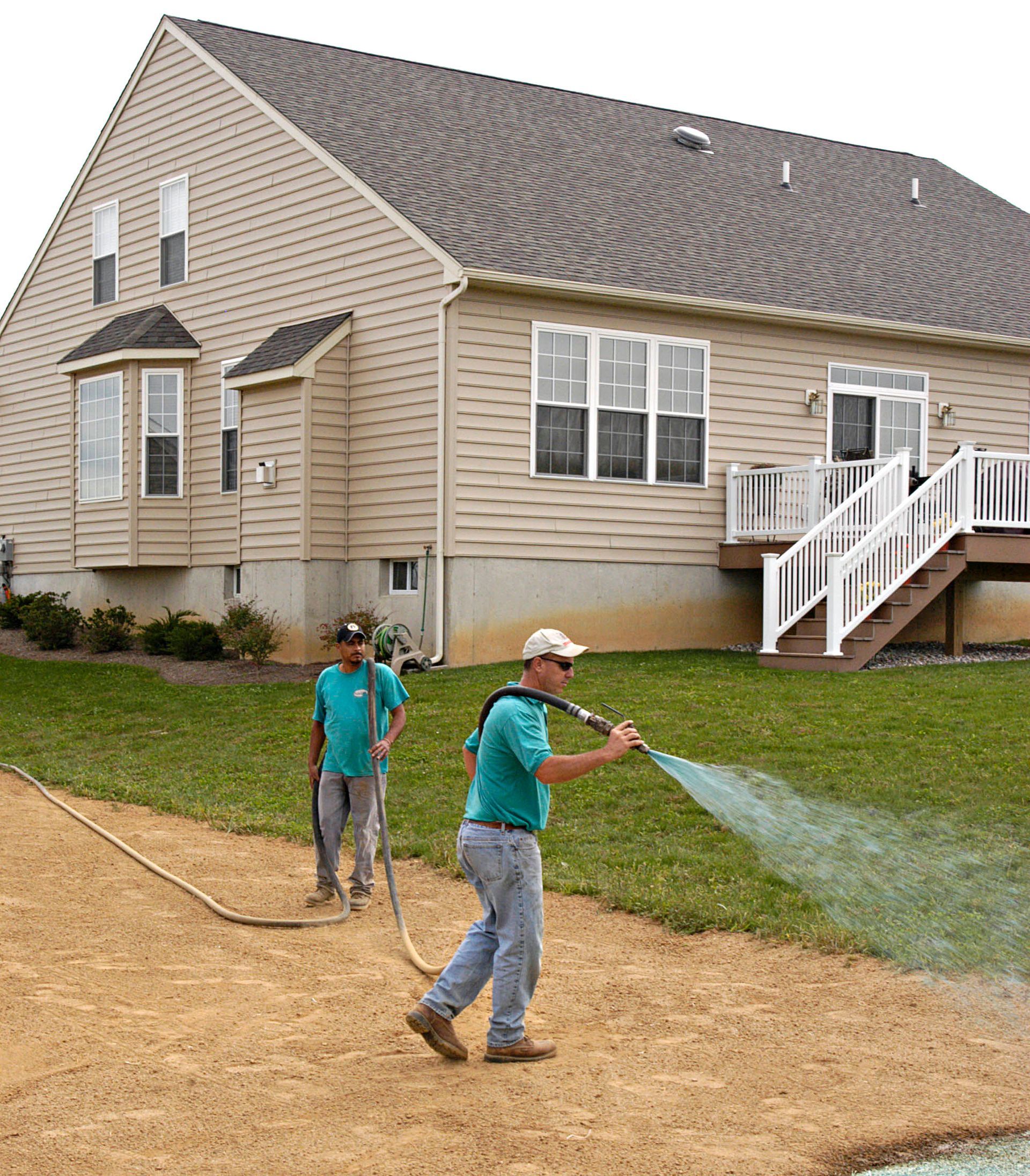
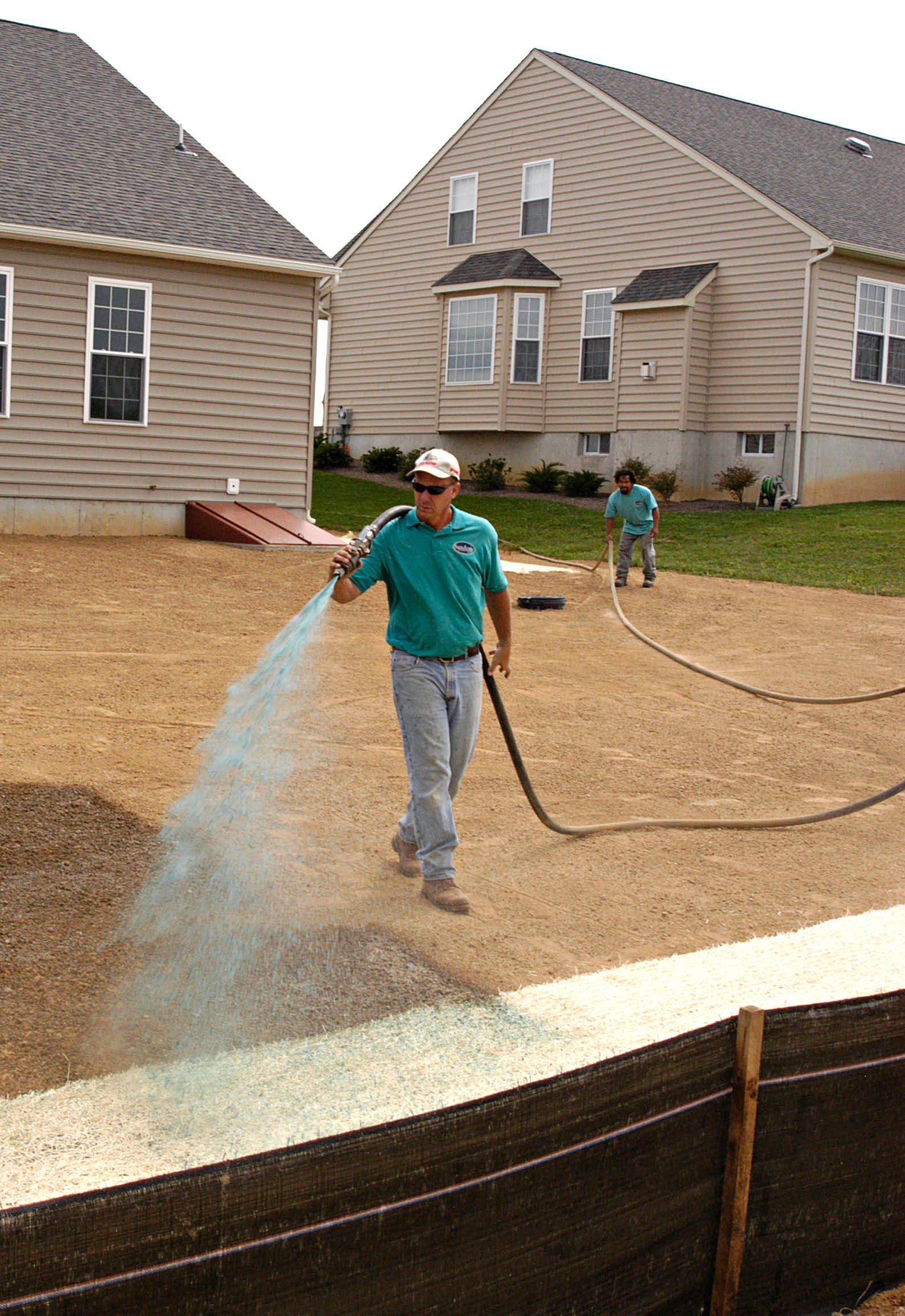
Hydroseeding is a popular method for establishing grass on residential lawns, commercial properties, and areas affected by soil erosion. This process involves applying a specialized mixture of grass seed, water, mulch, and other appropriate materials to prepared soil. Although the method offers several advantages, mistakes during preparation, application, and maintenance can compromise its effectiveness.
Avoiding Inadequate Soil Preparation
One of the most common mistakes in lawn establishment is applying seed to soil that has not been properly prepared. Compacted ground, construction debris, excessive weeds, and uneven surfaces can interfere with seed germination and root development. Even high-quality grass seed may struggle when the underlying soil conditions are unsuitable.
Professional contractors evaluate the property before beginning the application process. They examine soil texture, drainage patterns, existing vegetation, and surface conditions to identify potential obstacles. This assessment helps determine whether grading, soil amendments, or other preparatory measures are necessary.
Proper preparation also creates better contact between the seed mixture and the soil. When seeds remain close to a suitable growing surface, they have improved access to the moisture and nutrients needed for germination.
Avoiding Incorrect Grass Seed Selection
Choosing the wrong grass seed can undermine an otherwise well-executed lawn installation. Different grass varieties have specific requirements regarding sunlight, temperature, moisture, and soil conditions. A variety that performs well in a sunny location may struggle in shaded areas or regions with different seasonal weather patterns.
Professional hydroseeding contractors consider the property’s environmental characteristics before selecting a seed mixture. They evaluate regional climate conditions, expected foot traffic, sunlight exposure, and the intended use of the lawn.
For example, a commercial landscape exposed to frequent activity may benefit from grass varieties known for durability. Meanwhile, residential properties with substantial shade may require seed blends better suited to reduced sunlight.
Professionals also consider how different varieties establish and mature. Selecting compatible grasses can promote a more consistent appearance while supporting long-term lawn health.
Avoiding Uneven Seed Distribution
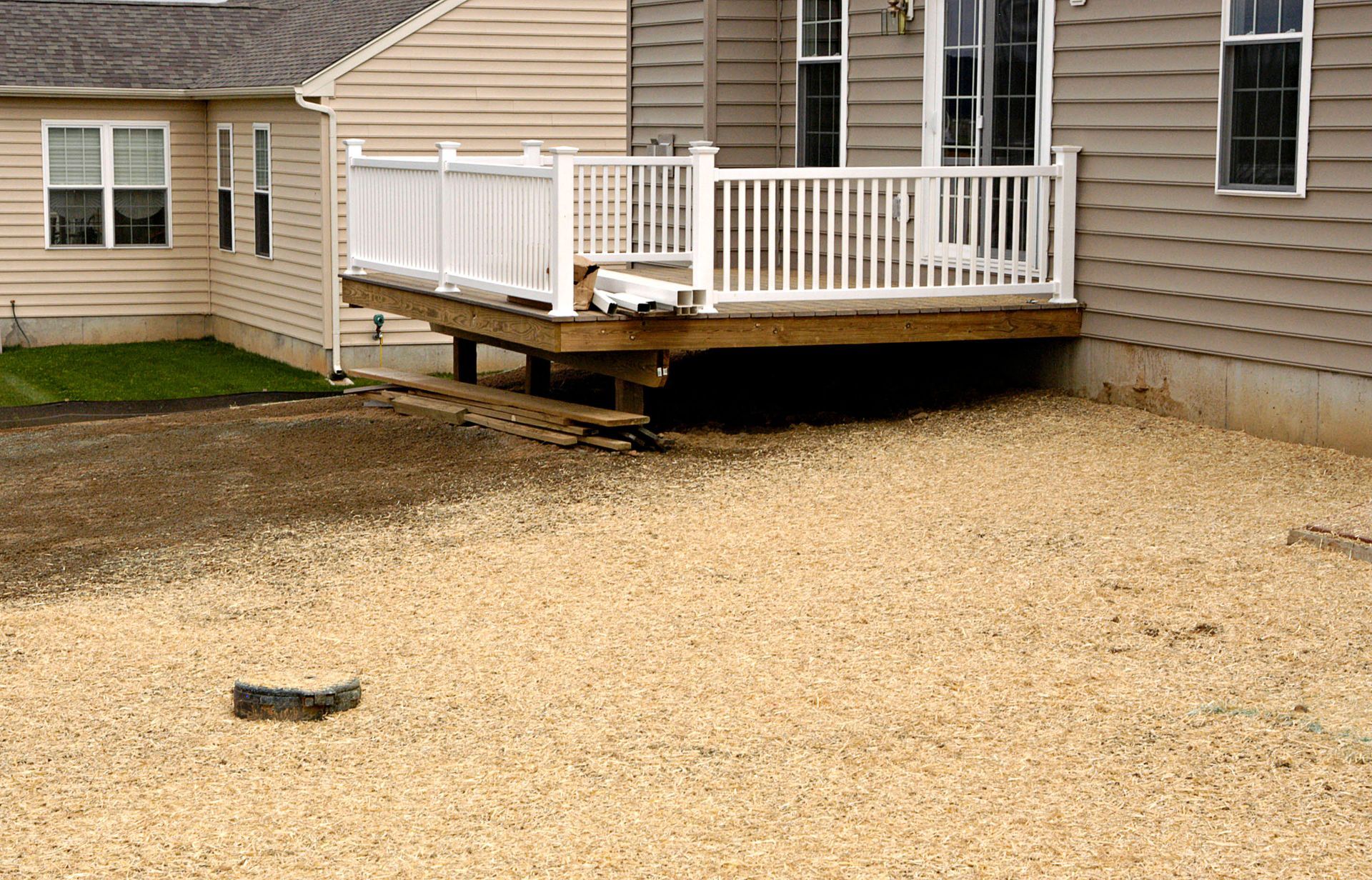
Uneven application is another mistake that can significantly affect the appearance and performance of a newly established lawn. When too much seed accumulates in certain areas, grass may become overcrowded and compete for available resources. Areas receiving insufficient seed may develop noticeable bare patches.
Professional contractors use specialized equipment designed to distribute the slurry consistently across the prepared surface. Equipment calibration, application pressure, and operator experience all influence the uniformity of coverage.
Experienced technicians pay particular attention to slopes, corners, irregularly shaped spaces, and areas surrounding landscaping features. These locations can be more challenging to cover evenly without appropriate application techniques.
Consistent distribution helps encourage balanced germination and reduces the likelihood of excessive competition between developing grass plants.
Avoiding Improper Mulch and Mixture Selection
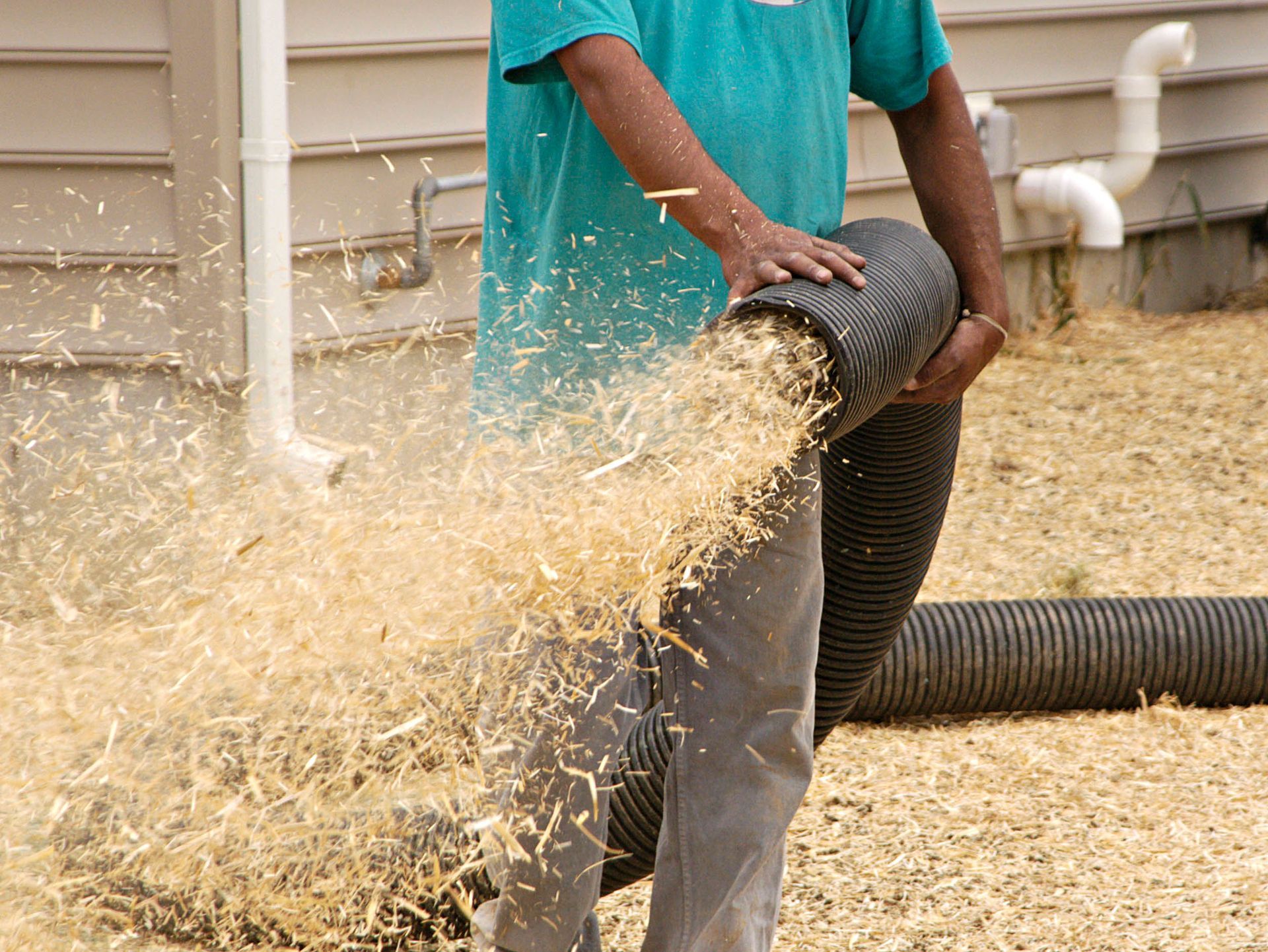
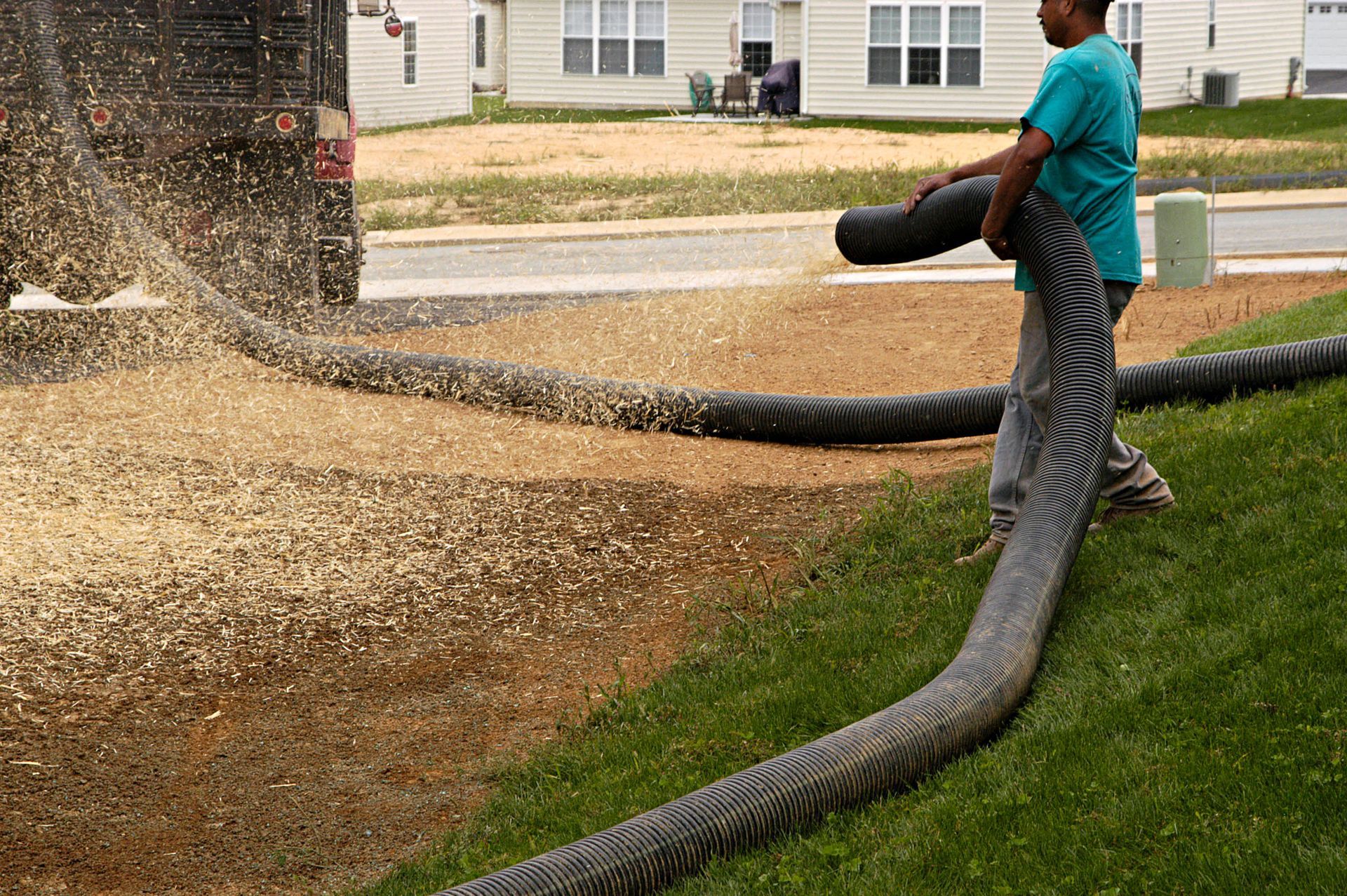
The materials included in a seed slurry play an important role in supporting grass establishment. Mulch helps retain moisture, protect seeds, and reduce the effects of surface erosion. However, using unsuitable materials or incorrect mixture proportions can interfere with these benefits.
Professional hydroseeding services select materials based on the property’s conditions and landscaping objectives. Soil characteristics, slope severity, environmental exposure, and erosion concerns all influence mixture selection.
A property with significant slopes may require additional erosion-control considerations compared with a relatively level residential lawn. Similarly, locations exposed to strong winds or intense sunlight may present different moisture-management challenges.
Experienced contractors understand how the components of the mixture work together. They aim to provide appropriate seed coverage without creating conditions that interfere with germination.
Avoiding Poor Water Management
Water management is essential during the early stages of grass development. Insufficient moisture can prevent seeds from germinating, while excessive watering may contribute to runoff, soil displacement, and unfavorable growing conditions.
Newly applied hydroseeding mixtures require consistent moisture to support successful establishment. However, watering requirements vary depending on temperature, rainfall, soil composition, and the type of grass being grown.
Professional contractors evaluate these factors when developing maintenance recommendations for property owners. Rather than relying on a universal watering schedule, they consider the specific conditions affecting each landscape.
They also explain how excessive surface water can disturb developing grass and contribute to uneven results. Properties with drainage problems may require additional attention before lawn establishment begins.
Avoiding Application During Unfavorable Weather
Weather conditions can significantly influence the success of grass establishment. Heavy rainfall may wash away newly applied materials, while extreme heat can accelerate moisture loss. Strong winds may also interfere with consistent application and surface coverage.
Experienced hydroseeding professionals monitor weather forecasts and seasonal conditions when planning projects. They understand that favorable timing can improve germination conditions and reduce unnecessary material loss.
Temperature is especially important because different grass varieties have preferred growing conditions. Applying seed during an unsuitable season may delay germination or expose young grass to environmental stress.
Professionals also evaluate rainfall patterns and anticipated weather changes. Although outdoor conditions cannot be controlled completely, careful scheduling helps minimize avoidable complications.
Their experience allows them to balance project timelines with the environmental conditions necessary for successful establishment. This planning helps protect the application and supports healthier lawn development.
Avoiding Neglect During Early Grass Growth
A common misconception is that newly seeded lawns require little attention once the application is complete. In reality, the establishment period is particularly important because young grass remains vulnerable to environmental stress, physical disturbance, and inconsistent moisture.
According to LawnStarter, grass established through hydroseeding generally begins emerging within a week and grows to approximately three inches tall after one month. Actual development may vary depending on weather, soil conditions, and grass variety.
Professional contractors help property owners understand what to expect during this period. They explain why consistent maintenance and protection from unnecessary foot traffic can support developing roots.
Young grass may appear uneven initially because germination rates can vary across the property. Experienced professionals distinguish normal establishment patterns from conditions that may indicate a problem.
By providing realistic expectations and appropriate maintenance guidance, contractors help property owners avoid premature concerns and decisions that could interfere with healthy grass development.
Avoiding Inadequate Erosion Control
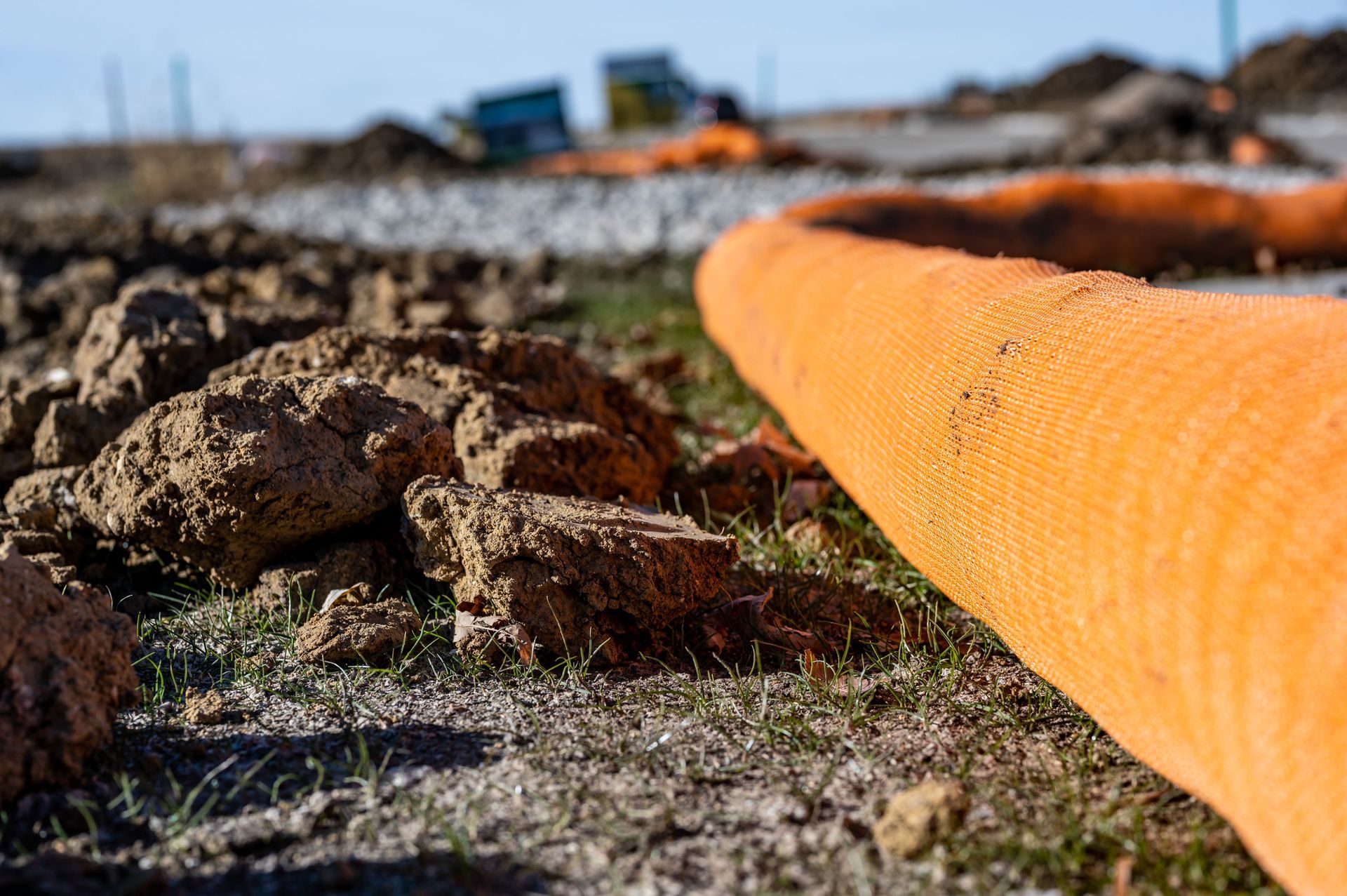
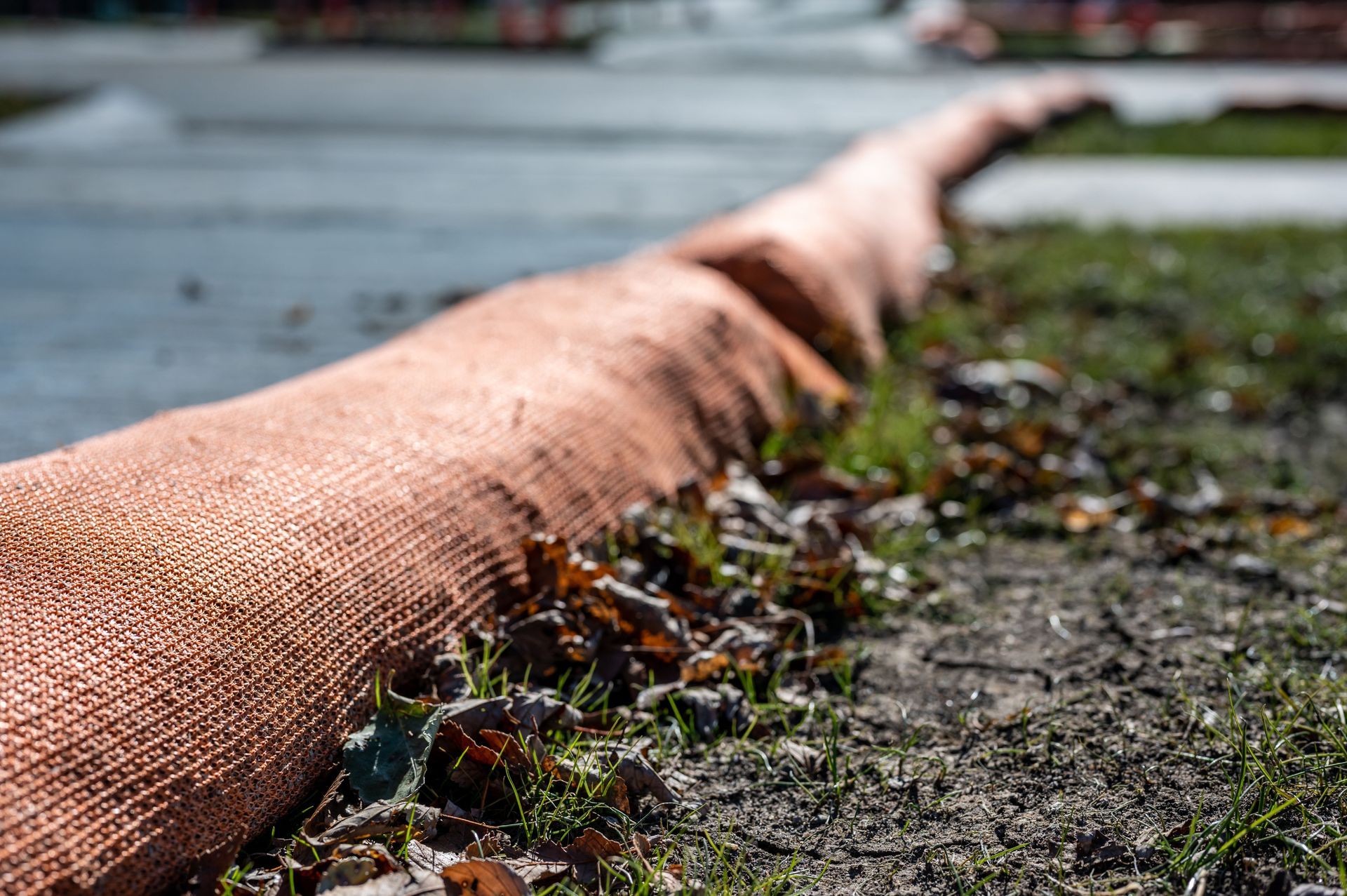
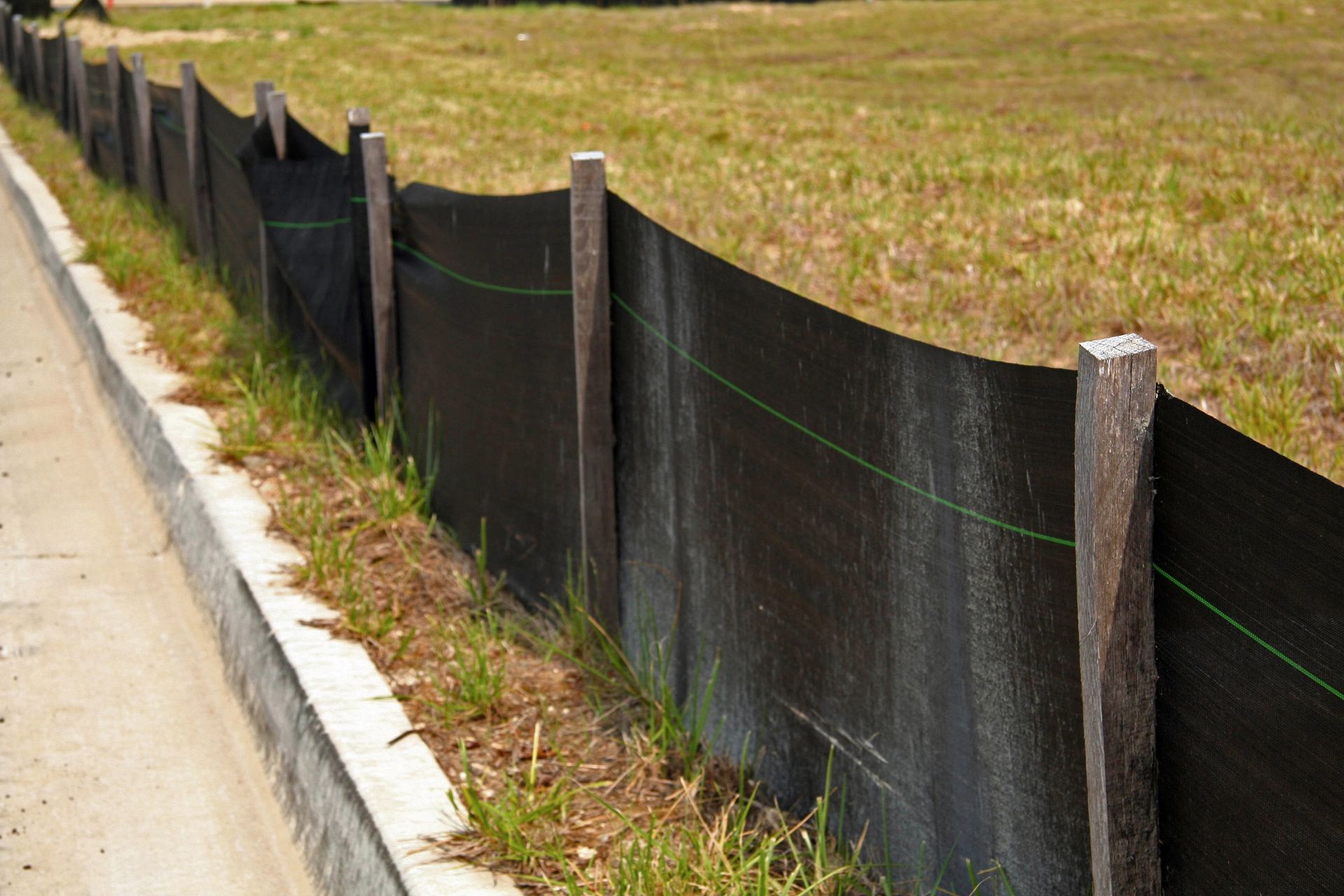
Properties with slopes, exposed soil, or drainage challenges require special consideration during lawn establishment. Without appropriate erosion-control measures, rainfall and surface runoff can displace soil and seed before vegetation becomes established.
Professional hydroseeding contractors assess the terrain and identify areas where erosion may interfere with successful grass growth. Their evaluation considers slope characteristics, water movement, soil stability, and surrounding landscape features.
Depending on the property, additional stabilization materials or complementary erosion-control solutions may be appropriate. These measures help protect vulnerable surfaces while grass develops a stronger root system.
Experienced professionals also understand that establishing vegetation can contribute to longer-term soil stability. Healthy grass roots help hold soil in place and reduce exposure to certain forms of surface erosion.
Addressing these concerns during project planning helps protect both the developing lawn and the surrounding property from avoidable soil displacement.
Avoiding Problems Through Professional Lawn Establishment
Successful lawn establishment depends on careful planning, appropriate materials, and an understanding of environmental conditions. Mistakes involving soil preparation, seed selection, application consistency, watering, and erosion control can create unnecessary challenges.
Professional hydroseeding services help property owners avoid these issues through property assessments, specialized equipment, and knowledgeable application techniques. Their experience allows them to recognize potential problems before those problems affect the developing lawn.
Choosing qualified professionals can also improve the overall landscaping experience. Clear maintenance guidance, realistic expectations, and attention to property-specific conditions support better decisions throughout the establishment process.
Establishing a healthy lawn requires an approach that considers soil conditions, environmental factors, and long-term landscape performance. Working with experienced professionals helps ensure that important details receive appropriate attention throughout the project.
At Advanced Erosion Solutions LLC, we understand the importance of reliable lawn establishment and effective erosion management. Our team is committed to helping property owners achieve their landscaping goals through knowledgeable service and careful project planning. Contact us today to discuss your property, explore our services, and learn how we can help you create a healthier, more attractive landscape.

Share On: