
Top Mistakes That Increase Stormwater Pollution to Avoid
Urban expansion, extensive paving, and dense residential development have drastically altered the natural hydrology of local landscapes. In undeveloped natural environments, rain falling from clouds soaks directly into soil layers, filtered naturally by roots, sand, and organic matter before replenishing subterranean aquifers. Conversely, modern paved roads, concrete driveways, rooftop structures, and compacted dirt surfaces prevent rainwater from absorbing naturally into the earth. As torrential rainstorms sweep across impervious suburban surfaces, rushing water collects surface contaminants, including motor oil, lawn fertilizers, pet waste, loose topsoil, de-icing chemicals, and trash. Unlike household wastewater from sinks or toilets that travels directly to water reclamation facilities for thorough chemical treatment, rainwater entering street storm drains flows directly into local streams, rivers, lakes, and coastal bays without undergoing any treatment process whatsoever.
Preventing severe environmental degradation across local watersheds requires property owners, business operators, and construction managers to understand how common daily practices contribute to water quality decline. Mismanaging lawn fertilizers, leaving exposed dirt piles on construction sites, washing vehicles over concrete driveways, and neglecting routine storm drain maintenance introduce toxic chemicals and heavy sediment loads into surrounding aquatic ecosystems. Elevated pollutant levels trigger toxic algae blooms, destroy fish habitats, contaminate drinking water reservoirs, and force beach closures. Taking proactive steps to eliminate everyday pollution practices safeguards local waterways, preserves aquatic biodiversity, and helps communities comply with regional environmental regulations. Exploring the primary missteps that exacerbate stormwater pollution empowers individuals and organizations to adopt clean, responsible land management practices that protect local water resources for future generations.
Overapplying Chemical Fertilizers and Agricultural Pesticides
Applying excessive lawn fertilizers and synthetic pesticides shortly before heavy rainstorms represents one of the most widespread environmental missteps in suburban landscape care. When homeowners or lawn care services apply granular nitrogen or phosphorus fertilizers right before forecasted downpours, rainwater washes the unabsorbed chemicals straight off turfgrass and into street gutters. Excess nutrients flowing into local ponds and rivers trigger massive algae blooms that block sunlight and deplete dissolved oxygen levels, causing severe fish kills.
To prevent nutrient runoff, property owners should test soil chemistry prior to applying fertilizers, ensuring that lawn roots actually require extra nutrients. Furthermore, applying fertilizers sparingly during dry weather windows allows soil to absorb the nutrients fully before rain arrives. Avoiding chemical overapplication prevents stormwater pollution, keeps synthetic toxins out of aquatic food chains, and protects natural stream ecology across surrounding residential neighborhoods.
Discharging Automotive Fluids and Washing Vehicles on Driveways
Discharging motor oil, radiator coolant, transmission fluid, and soapy rinse water onto paved driveways creates toxic runoff during subsequent rainfall events. Washing cars directly on concrete driveways flushes heavy metals, petroleum hydrocarbons, road grime, and synthetic detergent surfactants straight down driveway aprons and into municipal storm drains. Because storm sewer systems do not filter runoff water, these toxic automotive compounds enter nearby creeks completely unchecked.
Vehicle owners should perform routine maintenance over drip pans and repair engine oil or fluid leaks immediately to keep petroleum products off driveways. When cleaning personal vehicles, parking on grass lawns allows turf and underlying soil to filter wash water naturally. Eliminating driveway chemical wash-offs prevents severe stormwater pollution, keeps toxic petroleum products away from wildlife, and maintains cleaner street runoff across local municipalities.
Leaving Uncontained Dirt and Construction Sediment Exposed
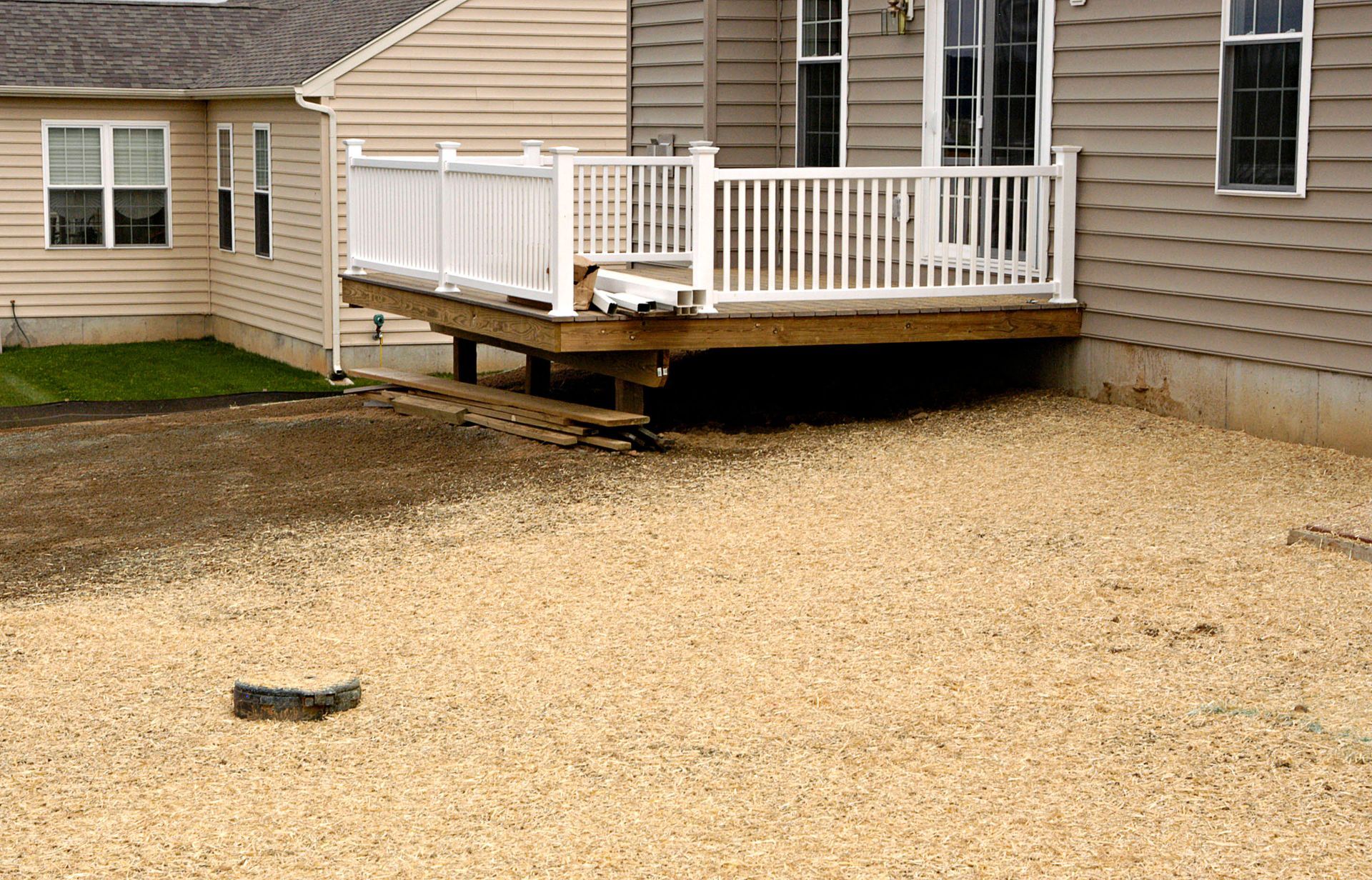
Leaving uncontained dirt piles, exposed soil slopes, and loose construction materials unprotected during site grading or landscaping projects releases massive sediment loads into storm drains. Raindrops striking bare soil dislodge fine earth particles, creating muddy runoff that flows rapidly into street gutters. High sediment concentrations turn local streams cloudy, choke aquatic plant life by blocking sunlight, fill in natural fish spawning beds, and clog storm sewer infrastructure.
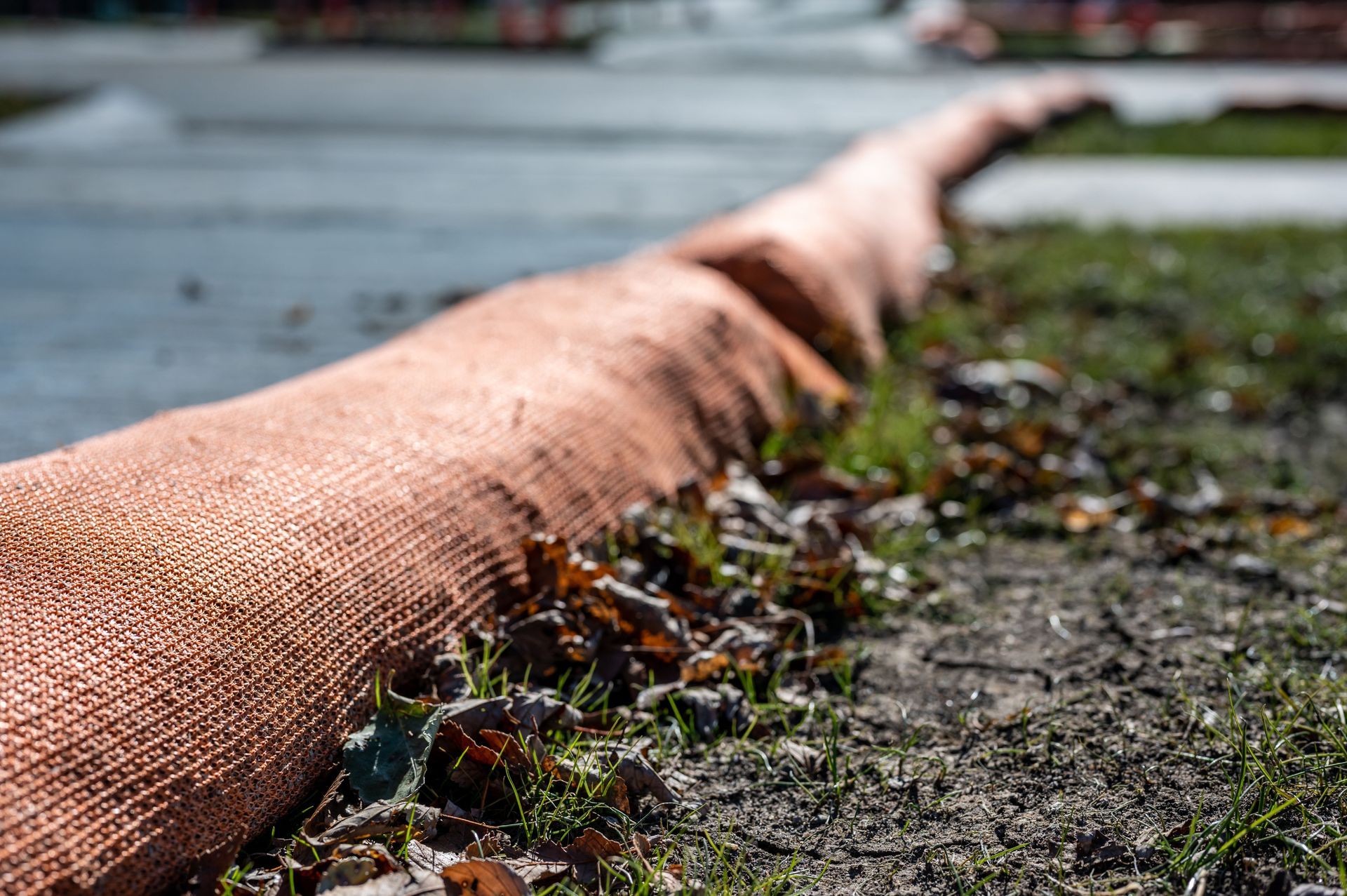
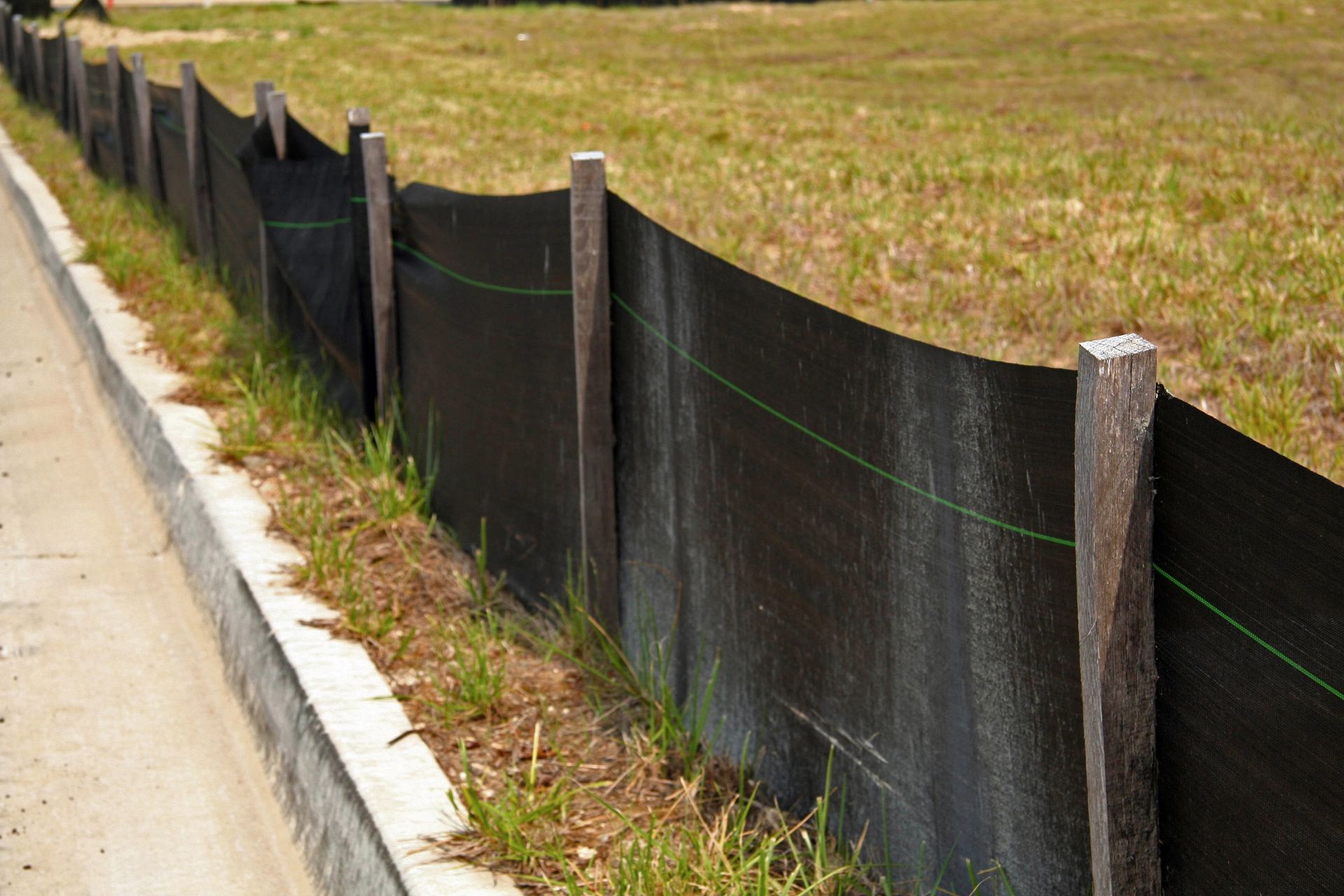
Understanding the massive scale of untreated urban runoff highlights the critical importance of effective sediment control and erosion prevention measures. According to the United States Environmental Protection Agency (EPA), an estimated 10 trillion gallons of untreated stormwater runoff, containing everything from raw sewage to trash to toxins, enters U.S. waterways from city sewer systems every year. Deploying silt fences, straw wattles, and temporary ground covers around exposed soil prevents stormwater pollution, prevents municipal drain clogs, and protects local streams from heavy sediment buildup.
Sweeping Organic Yard Debris and Leaves Into Street Drains
Sweeping lawn clippings, leaves, pulled weeds, and organic yard waste directly into street gutters or storm drain inlets creates severe water quality issues and structural drainage blockages. While organic matter seems natural and harmless, decaying leaves and grass in water bodies release concentrated pulses of phosphorus and nitrogen into local streams. Additionally, heavy piles of leaves block storm drain grates, causing localized street flooding during severe downpours.
Property owners should compost organic yard waste, use mulching mowers to return nutrients to turf, or bag leaves for municipal green waste collection. Keeping organic debris completely clear of street gutters prevents phosphorus spikes in nearby lakes. Stopping the practice of dumping yard waste into street drains eliminates a major source of stormwater pollution, reduces street flooding risks, and preserves clean aquatic habitats across local watersheds.
Neglecting Pet Waste Cleanup in Residential Yards
Neglecting to collect and dispose of pet waste from lawns, sidewalks, and neighborhood parks introduces harmful pathogens directly into local water supplies. Dog waste contains high concentrations of fecal coliform bacteria, parasites, and organic nutrients that contaminate stormwater runoff during heavy rainstorms. When rainwater carries pet waste off lawns and down street gutters, these biological contaminants flow straight into recreational lakes and streams.
Elevated bacteria levels from pet waste force frequent beach closures, make local waterways unsafe for swimming or kayaking, and pose serious health risks to humans and wildlife. Pet owners should pick up waste promptly using sealed bags and dispose of it properly in trash receptacles or designated waste stations. Consistent pet waste cleanup prevents biological stormwater pollution, keeps public recreational waters clean, and protects community health across local watersheds.
Storing Outdoor Household Chemicals and Trash Unsealed
Storing open paint cans, pool chemicals, household cleaners, lawn products, and unsealed trash containers outdoors exposes hazardous materials to rain and wind. Strong winds knock over flimsy trash cans, scattering plastic litter and chemical bottles across yards and streets, where rainwater sweeps them into storm drains. Furthermore, rain leaking into open chemical buckets dissolves concentrated toxins, creating hazardous liquid runoff that flows into neighborhood gutters.
Homeowners should store all household hazardous materials inside secure garages or storage sheds, out of reach of rain and wind. Using sturdy, tightly sealed trash containers prevents garbage from blowing away during severe weather events. Proper outdoor chemical storage and trash management stops chemical leaks, reduces plastic litter in rivers, and prevents severe stormwater pollution across neighborhood storm drain networks.
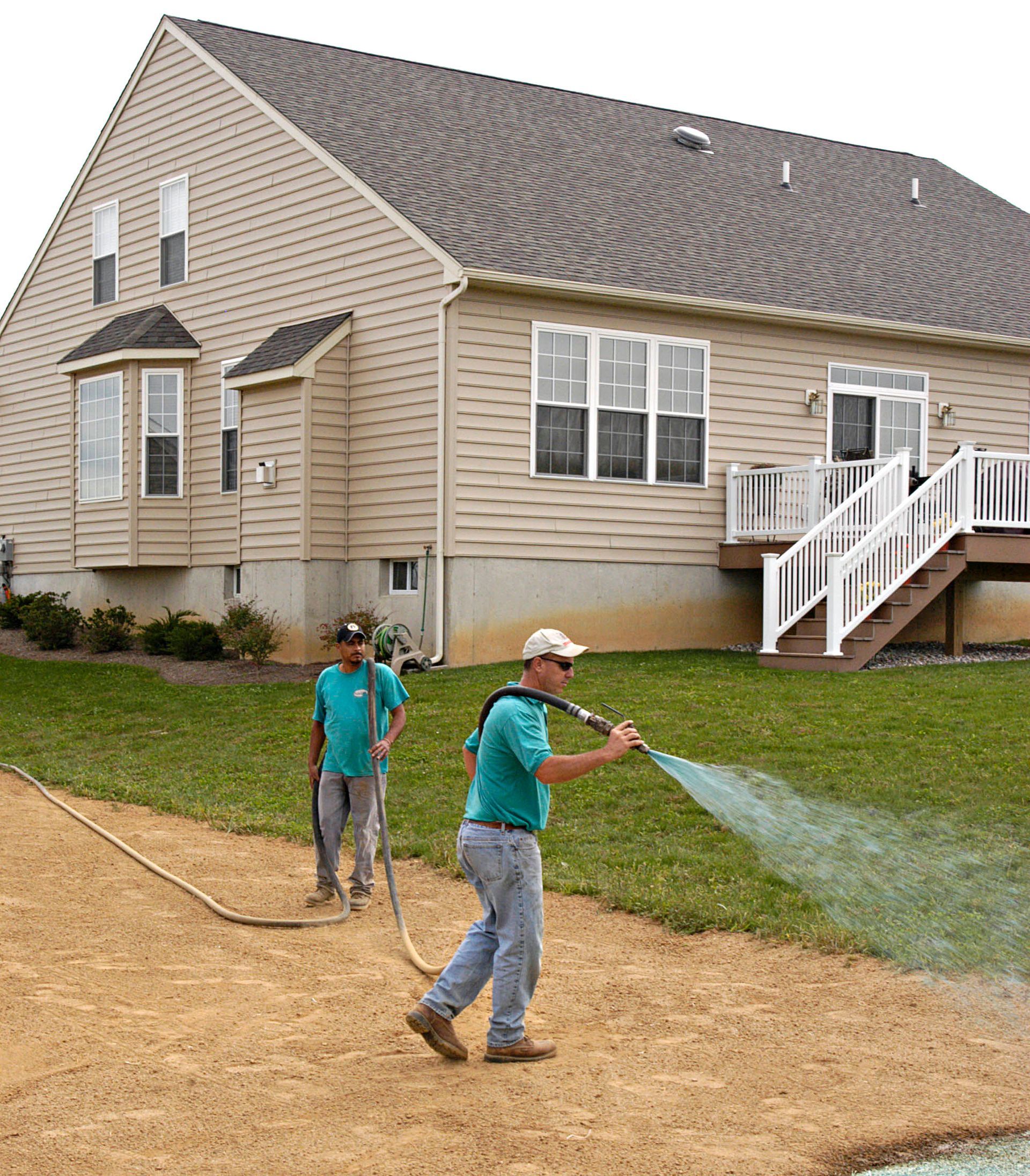
At Advanced Erosion Solutions LLC, we are deeply committed to protecting local watersheds, preserving natural ecosystems, and delivering superior erosion and sediment control services through master technical expertise, top-grade materials, and dedicated environmental care. Our team of certified environmental specialists brings extensive industry expertise, state-of-the-art containment technology, and meticulous attention to detail to every silt fence installation, slope stabilization, hydroseeding, and stormwater compliance project we execute across our community. We take immense pride in evaluating your unique site topography, analyzing local drainage patterns, recommending optimal containment barriers, and executing flawless environmental protection measures that safeguard surrounding water bodies. We carefully inspect every sediment barrier, runoff diversion channel, and ground stabilization layer to guarantee leak-free operational performance and lasting environmental protection. Contact us today to schedule your comprehensive site consultation and discover the true value of working with dedicated local environmental specialists.
Share On: