
The Environmental Benefits of Using Erosion Control Products
Erosion represents a significant environmental challenge that disrupts the natural balance of global ecosystems. This destructive process leads to habitat loss, reduces agricultural productivity, and causes water pollution. To mitigate these adverse effects, modern land management relies on specialized tools designed for ecological preservation and landscape stabilization. These tools safeguard soil integrity, prevent sediment displacement, and promote sustainable land use practices across various industries.
Understanding the core mechanisms of landscape degradation allows developers and conservationists to implement effective stabilization strategies. By exploring the environmental advantages of these management tools, we can better appreciate their role in long-term ecological health. Choosing to integrate high-quality erosion control products into civil engineering and agricultural projects remains a vital step toward achieving global sustainability goals.
Identify the Primary Drivers of Soil Loss
Erosion is the gradual removal of soil, rock, or sediment by natural forces like wind and water. This process shapes landscapes and forms geological features over many millennia. While natural erosion creates nutrient-rich valleys, excessive degradation brings about detrimental environmental effects. This disrupts natural landscapes, leading to reduced soil quality and land fertility.
The movement of earth materials occurs through different mechanisms, including heavy rainfall, river flow, and coastal activity. Each element contributes to topsoil displacement, altering native landscapes and impacting local vegetation. While periodic sediment movement is part of the ecological cycle, overactive degradation strips away vital nutrients. Without protective plant cover, topsoil washes away easily, leaving the subsoil exposed and infertile. This is where erosion control products can help supplement degradation.
Human activities have significantly increased the speed of land degradation beyond historical baselines, contributing to broader environmental ruin. Construction projects, deforestation, and unsustainable farming practices rank among the top contributors to this accelerated damage. Infrastructure development involves removing native vegetation, leaving bare ground exposed to wind and rain. To counteract these human-induced disruptions, land managers deploy specialized tools to stabilize the ground surface.
Evaluate the Ecological and Economic Damage
Land degradation poses a massive threat to ecosystems by altering natural habitats and threatening biodiversity. Displaced topsoil leads to a loss of fertility, impacting plant growth and wildlife food resources. Aquatic ecosystems suffer equally, as increased sedimentation smothers fish spawning grounds and degrades water quality. Sediment-laden waters carry nutrients that lead to destructive algal blooms, disrupting aquatic life across watersheds.
The broader consequences of this environmental issue extend to food security and regional financial stability. According to Global Agriculture, approximately 24 billion tons of fertile soil wash away annually as a consequence of erosion. To prevent this annual depletion of resources, industries must adopt proactive conservation measures, including deploying reliable erosion control products on active sites.
Infrastructure projects and urban developments also incur high secondary costs when land surfaces remain unstable. Landslides and structural failures jeopardize roads and bridges, requiring expensive repairs and emergency engineering interventions. Tourism industries that rely on pristine environments face declines as beautiful landscapes turn barren and rivers become muddy. Investing in preventative stabilization methods offers a cost-effective path to avoid steep financial burdens from post-disaster rehabilitation.
Deploy Natural and Biodegradable Blankets
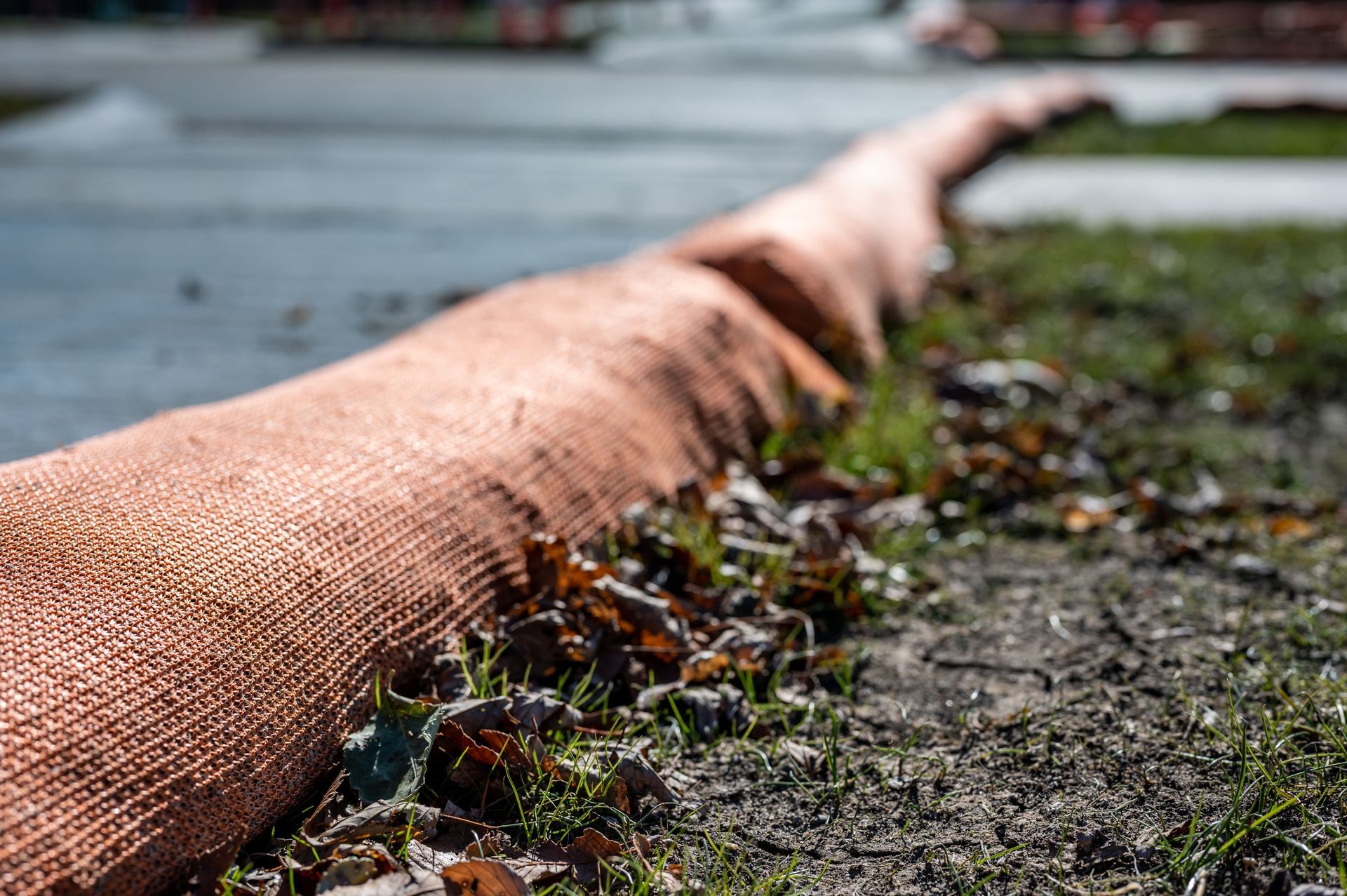
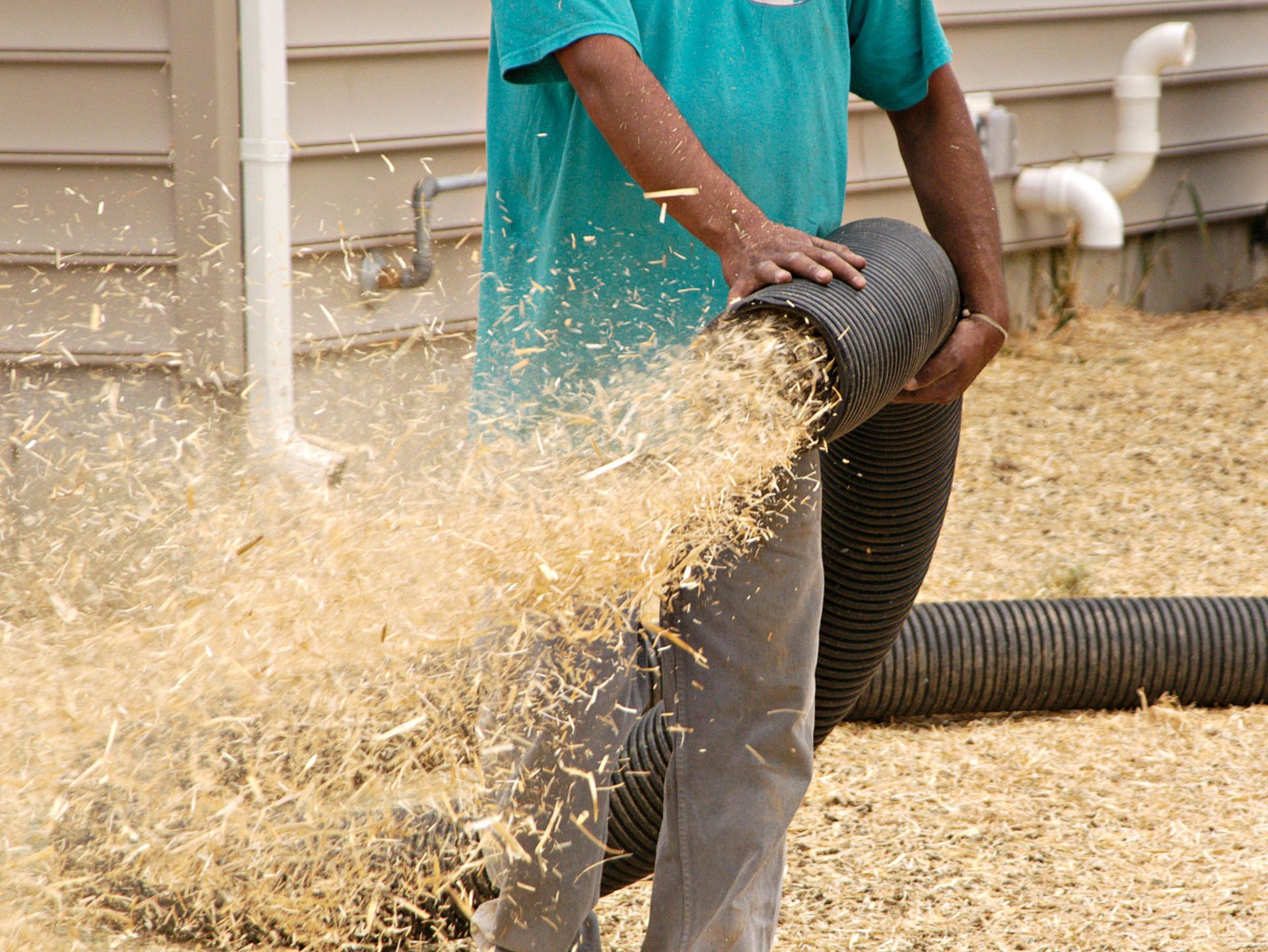
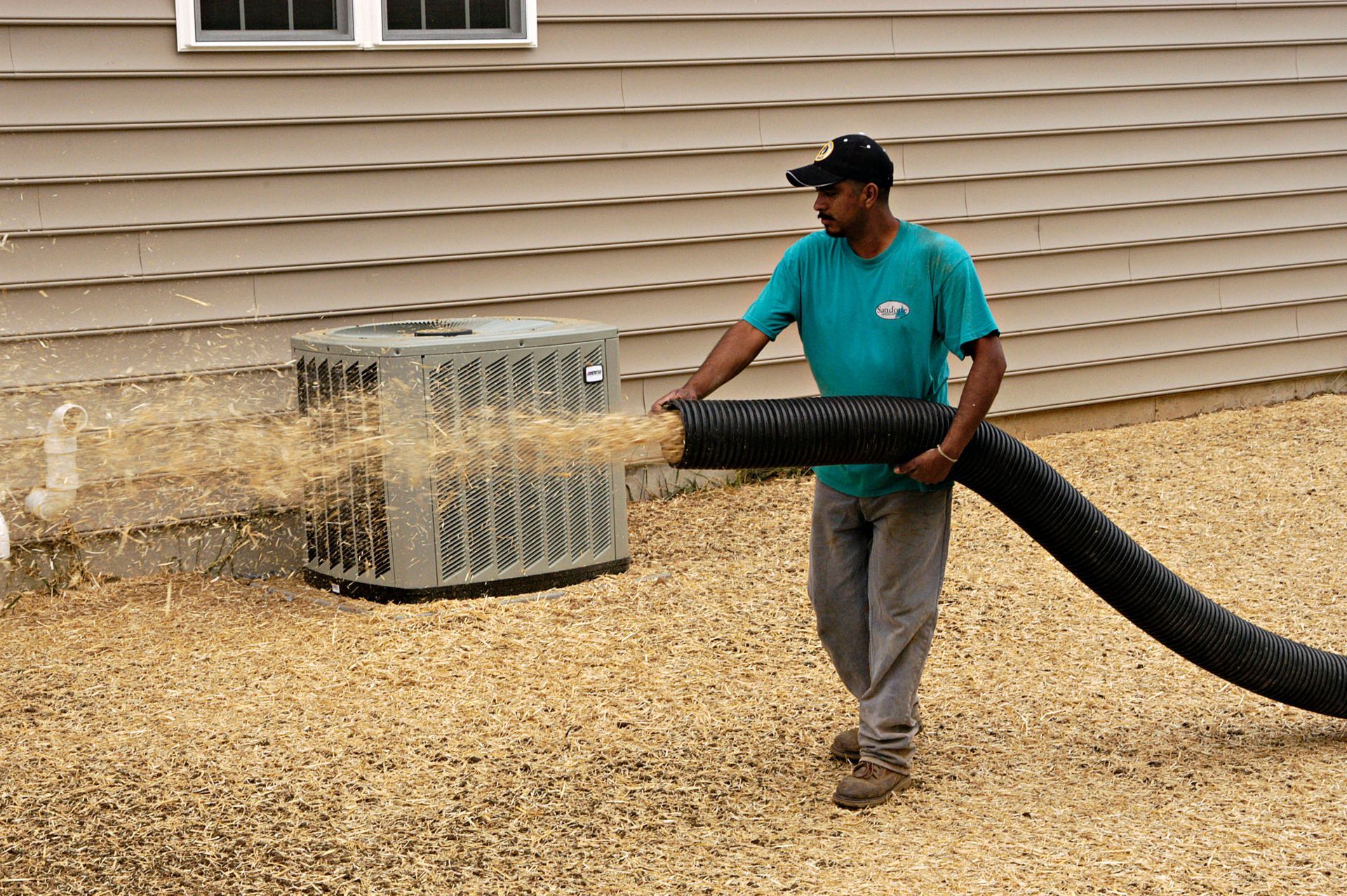
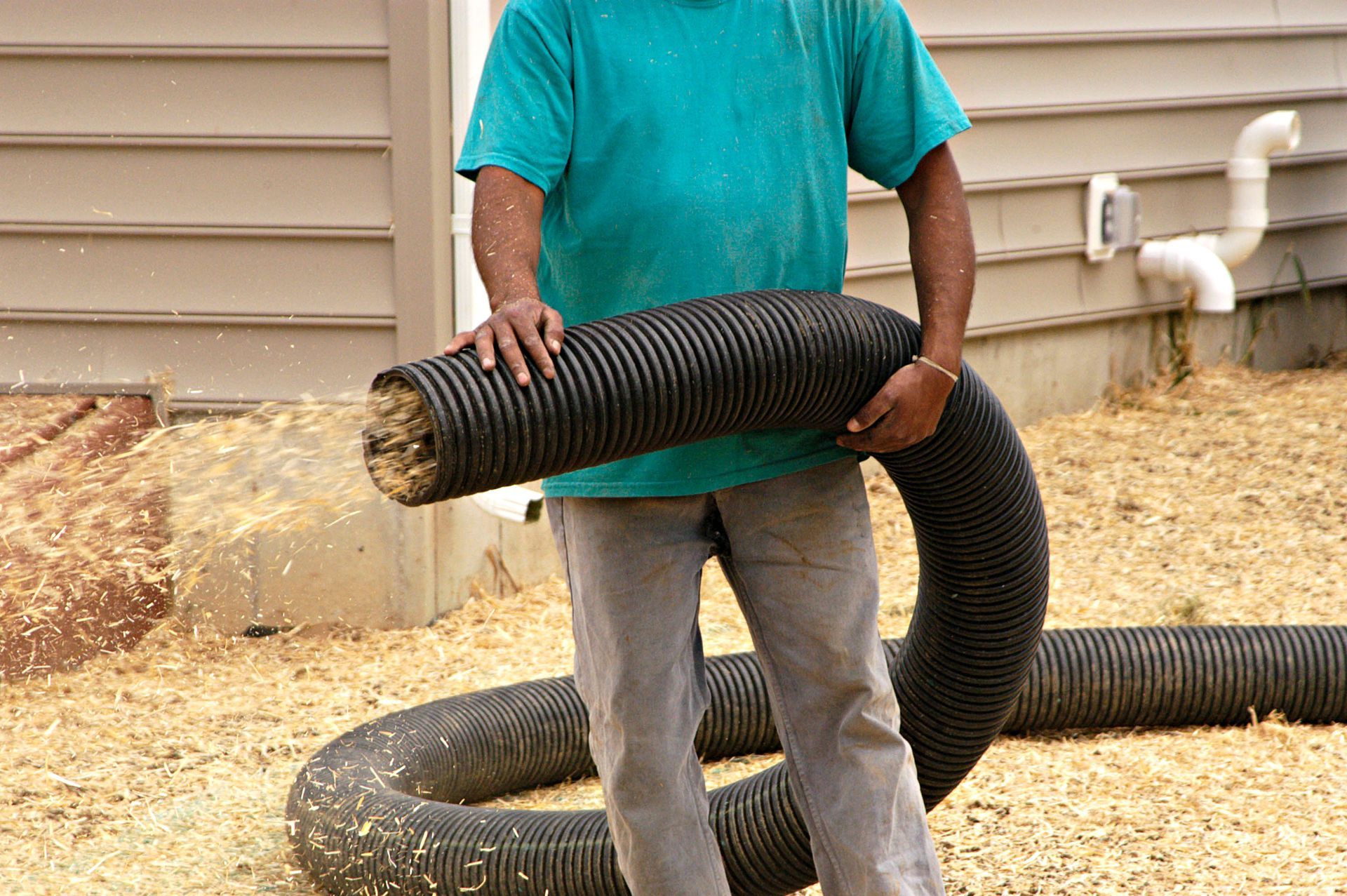
Biodegradable blankets and organic mesh nets represent effective options for stabilizing loose soil and promoting rapid vegetation growth. These eco-friendly erosion control products are typically manufactured from natural materials like jute, coir, and straw, providing an alternative to synthetic plastics. They establish a protective layer on the ground surface, dampening the physical impact of intense rainfall and wind forces. By retaining moisture and heat, these blankets create optimal conditions for seed germination and root development.
The application of organic blankets is advantageous in construction settings where temporary ground protection is required. They serve as an exceptional choice for slope stabilization, preventing the downward displacement of loose earth on steep inclines. These natural blankets integrate into reforestation and habitat restoration projects to encourage native plant establishment and heal degraded zones. Because these materials break down naturally over time, they eliminate disposal issues associated with synthetic variants.
In modern agricultural settings, these degradable mats protect newly planted crops from severe weather and surface runoff. In expanding urban zones, they stabilize vulnerable drainage ditches and prevent mudslides during active earth-moving operations. As a highly adaptable tool, these products can be configured in various thicknesses to meet specific engineering requirements. From highway embankments to fragile riverbanks, natural mats provide an invaluable contribution to soil conservation initiatives.
Implement Liquid Hydroseeding and Spray Solutions
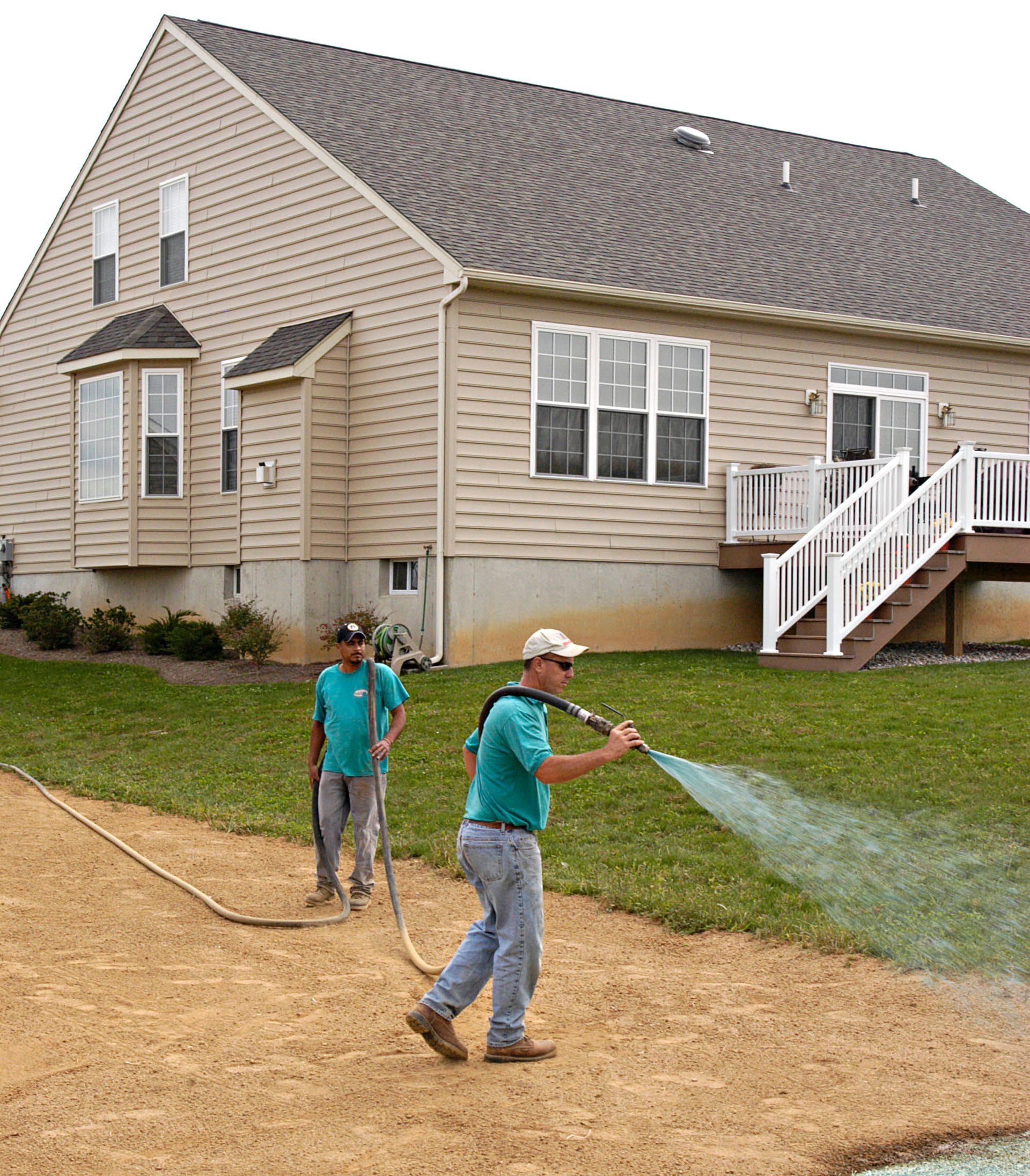
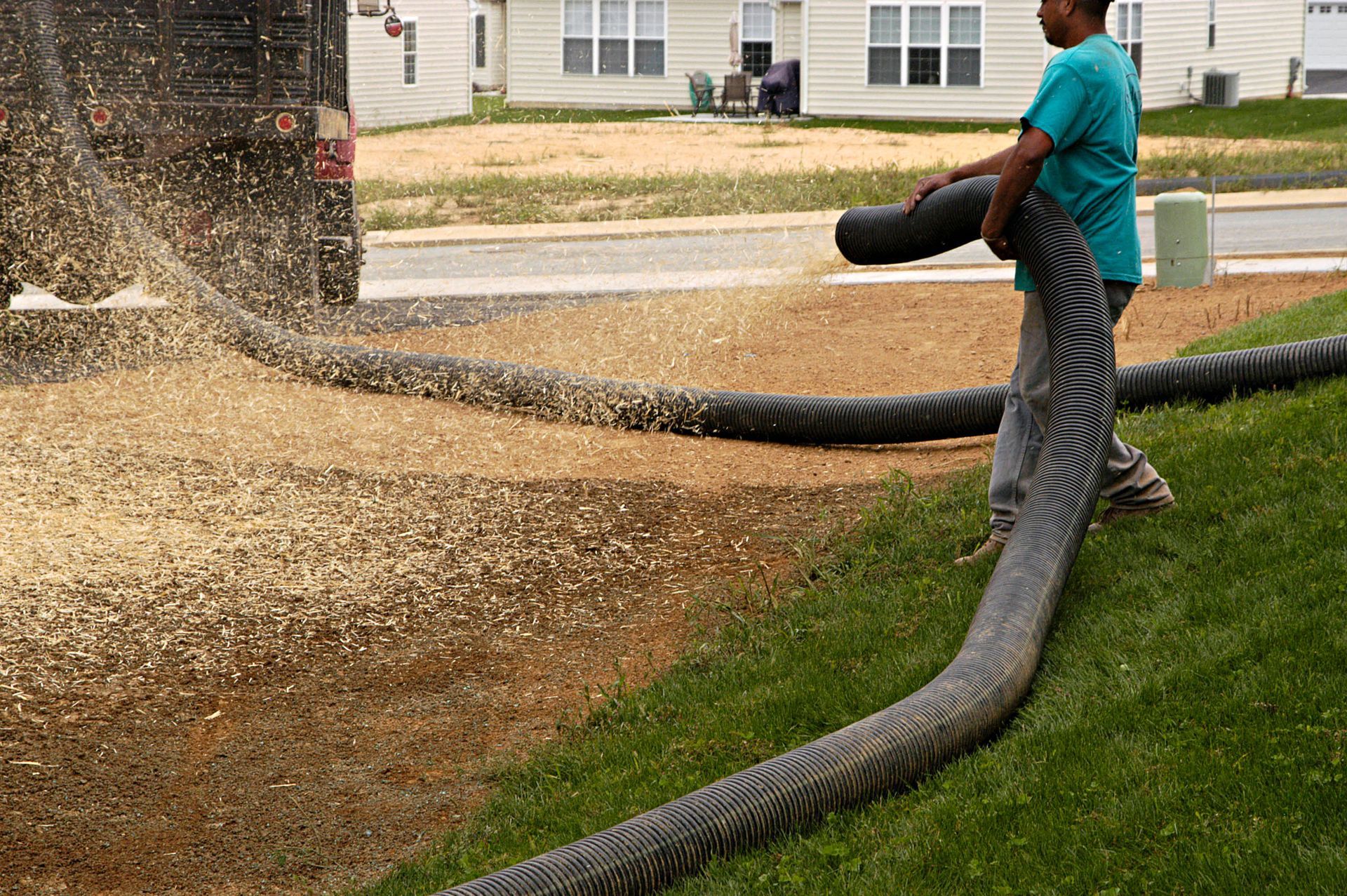
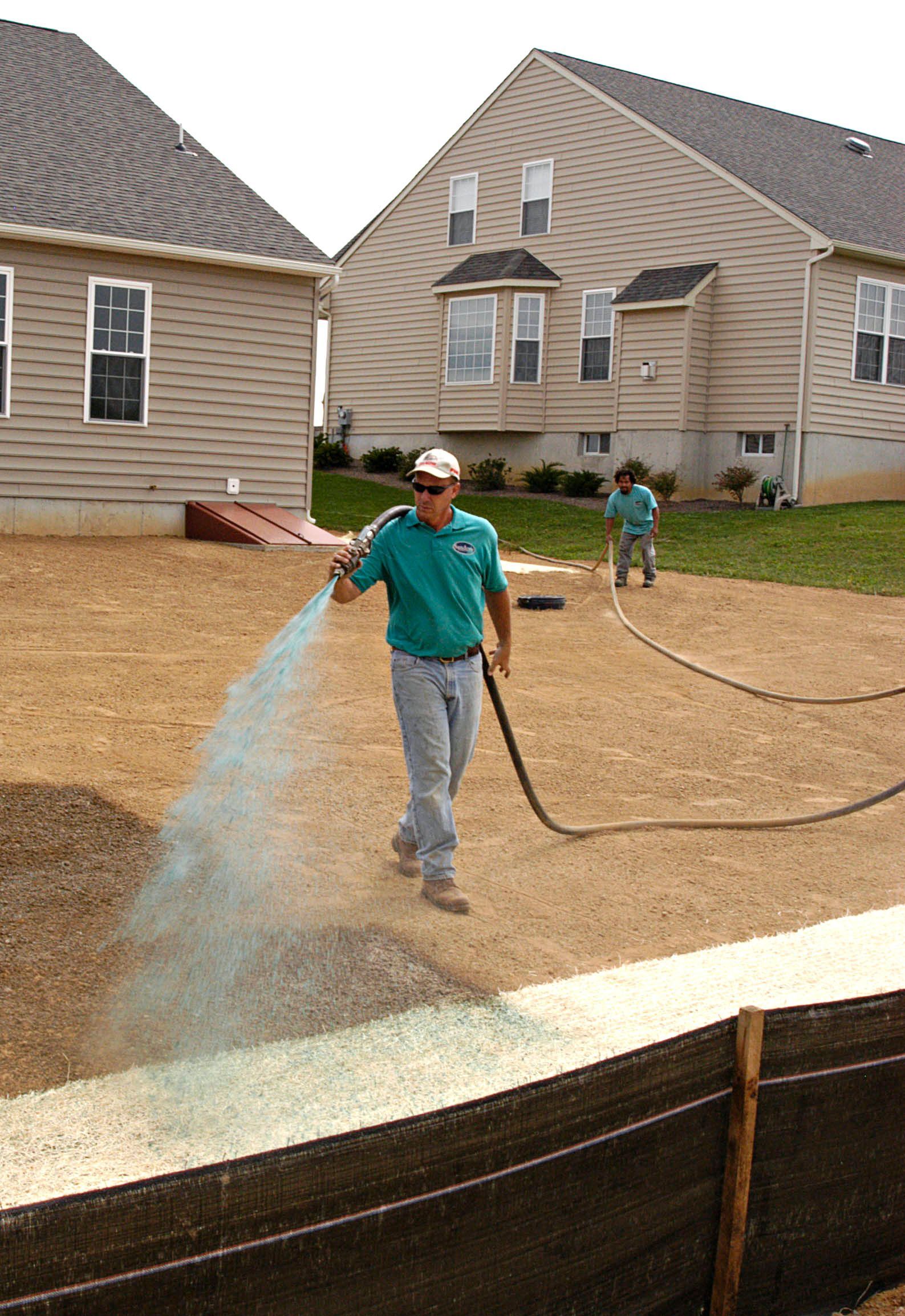
Hydroseeding stands out as an advanced technique that utilizes a nutrient-dense slurry to establish rapid vegetation cover over expansive areas. This slurry consists of seeds, fiber mulch, fertilizers, and water, which technicians spray directly onto prepared ground surfaces. The method ensures uniform coverage across challenging terrains, encouraging consistent plant growth that binds the loose earth together. It proves useful on steep highway cutouts, mining reclamation zones, and landscapes recently devastated by wildfires.
A liquid application supporting rapid revegetation plays an important role in broader land rehabilitation and ecosystem recovery efforts. It allows land managers to introduce a diverse mix of native plant species, enhancing biodiversity and boosting ecosystem resilience. The fiber mulch component within the sprayed mixture retains moisture efficiently while providing immediate shielding against wind and water forces. As the vegetation matures, expanding root systems anchor the ground firmly, preventing future displacement.
Using these advanced spray-on mixtures represents an efficient approach within comprehensive land management strategies. Municipalities and private developers select this method because it covers large areas quickly and reduces labor costs significantly. The documented success of these spray applications underscores the value of combining botanical solutions with versatile erosion control products.
Install Structural Walls and Sediment Barriers
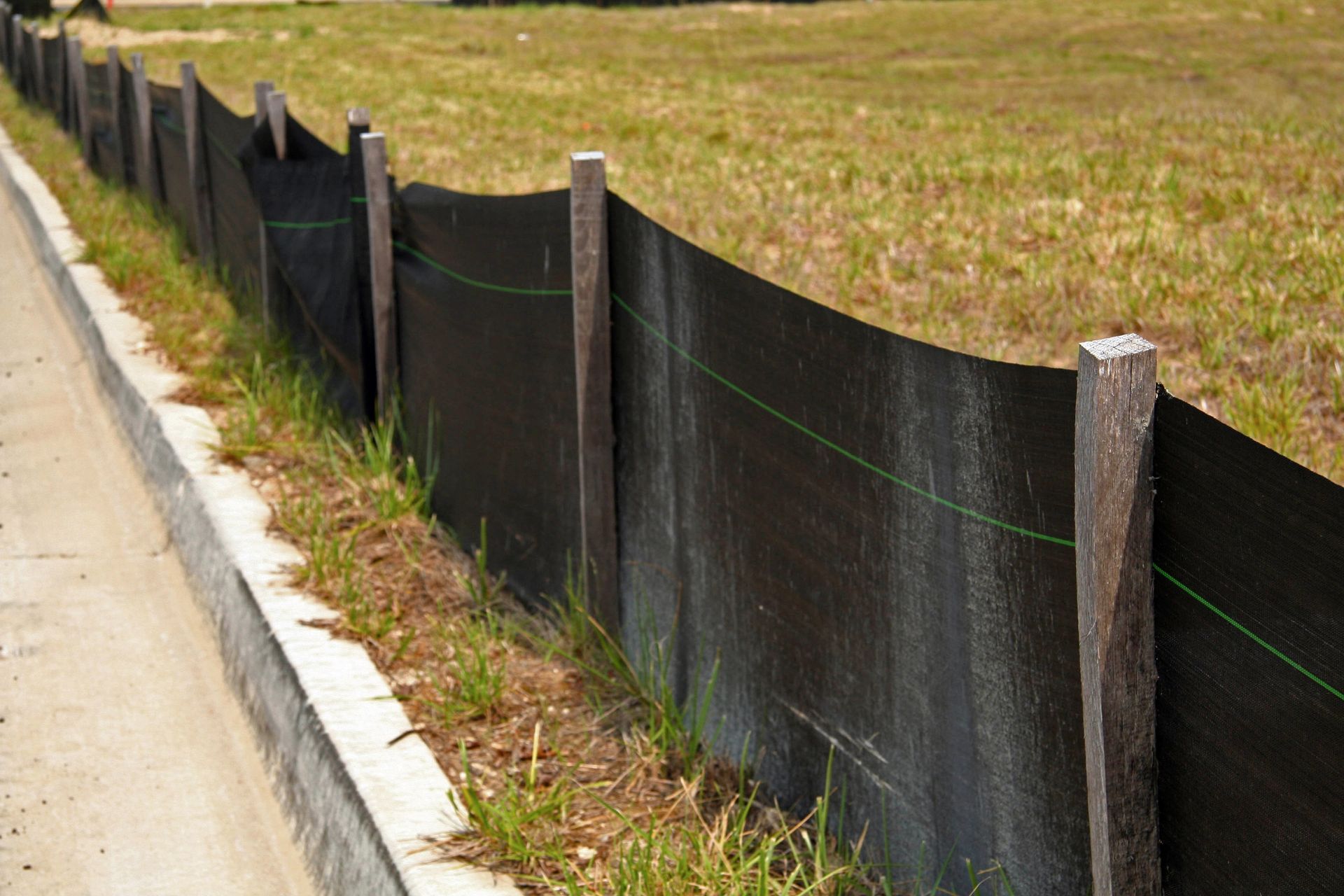
Temporary sediment barriers and fabric silt fences serve as crucial operational defenses to prevent off-site pollution and water contamination. Workers install these fabric barriers along the lower perimeters of disturbed zones to intercept and filter sediment-laden storm runoff. Fabricated from durable synthetic geotextiles, these fences capture loose soil particles while allowing water to pass through slowly. This mechanism prevents heavy sediment from entering nearby streams, protecting fragile aquatic habitats during active construction phases.
Permanent structural solutions, including heavy retaining walls and stone-filled gabions, provide long-term protection against severe land degradation. Retaining walls hold back massive earth loads on steep slopes, while gabions fortify vulnerable riverbanks against the erosive power of fast-moving water. These robust structures offer immediate physical support to vulnerable landscapes, effectively redistributing earth pressure and reducing slope angles. Engineering these structures with natural stone or concrete blocks aligns perfectly with sustainable development objectives.
Combining temporary fabric barriers with permanent structural retaining walls creates a comprehensive defense system for urban civil engineering projects. These integrated erosion control products safeguard valuable public infrastructure, minimize long-term maintenance costs, and enhance local property values. They ensure that sediment remains contained within designated boundaries, preventing downstream ecological damage. Utilizing these structural options allows society to develop urban areas safely while preserving the surrounding natural topography.
Mitigating the devastating effects of soil loss remains an urgent priority for protecting global ecosystems and ensuring economic stability. Unchecked degradation threatens food security, destroys habitats, and pollutes vital water supplies. Fortunately, utilizing effective erosion control products provides a reliable, scientifically proven methodology to stabilize landscapes and foster sustainable development. By selecting appropriate tools for each unique terrain, we can safeguard our valuable topsoil and support thriving natural habitats.
Investing in these protective measures represents a shared responsibility that yields long-term environmental and financial dividends for communities worldwide. Proactive conservation practices protect valuable infrastructure, enhance agricultural outputs, and preserve clean water resources for future generations. To ensure the success of your next land restoration or stabilization project, partner with Advanced Erosion Solutions LLC.
Share On: