
How to Choose the Best Erosion Control Products for Your Needs
In this article, we explore the crucial steps and considerations in selecting the right erosion control products for various environments and projects. Whether you are managing a large-scale construction site or implementing landscaping projects, choosing effective erosion control solutions can have lasting impacts on the surrounding ecosystem and infrastructure.
Understanding Types of Erosion Control Products
Temporary vs. Permanent Solutions
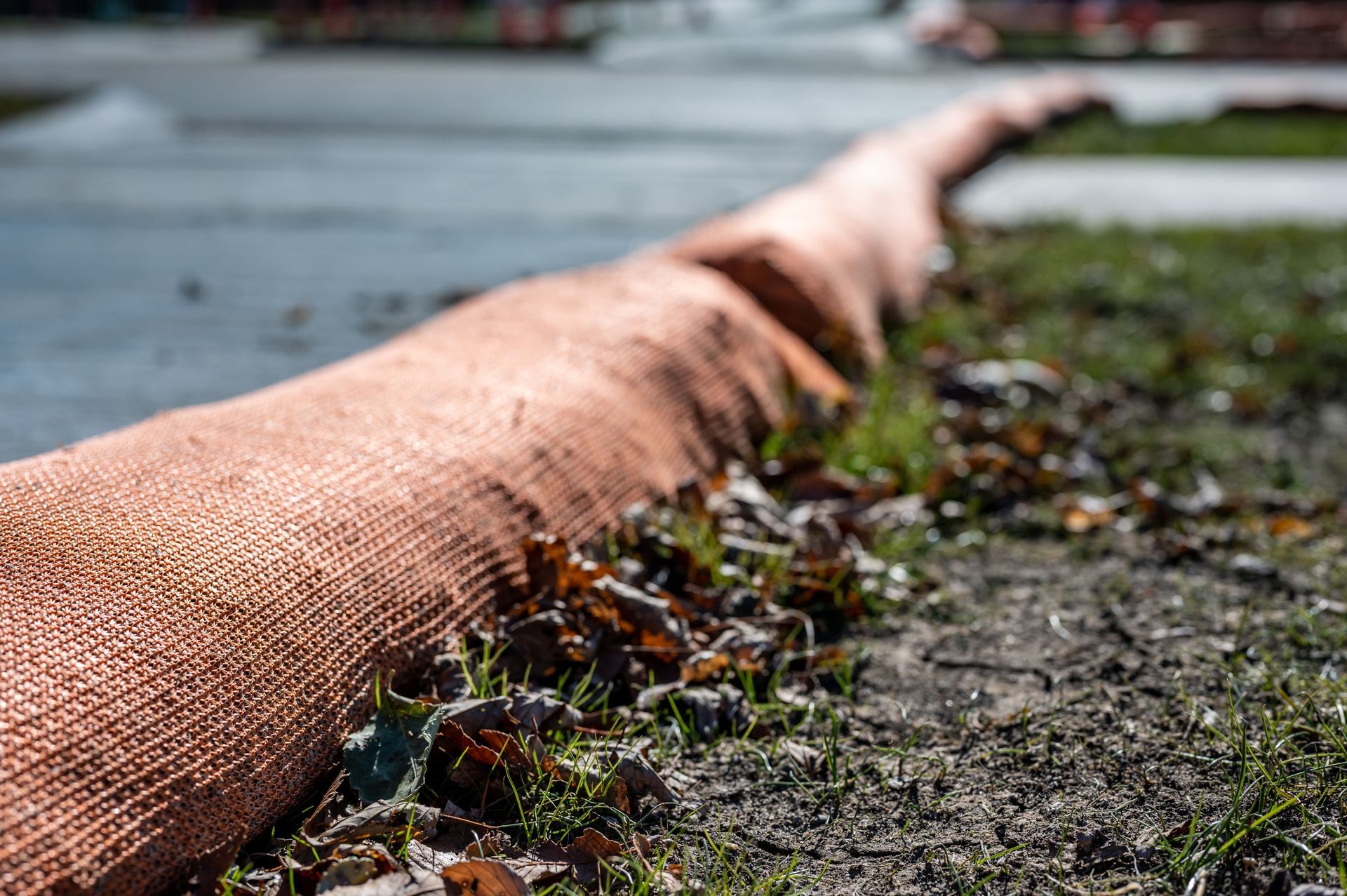
Identifying whether a temporary or permanent solution is appropriate for erosion control largely depends on the immediate and future needs of a site. Temporary erosion control measures like silt fences and straw wattles provide short-term stabilization, essential during construction phases prone to rainfall or destabilization of soil. These products, while temporary, can be crucial in preventing significant soil loss that complicates construction projects. On the other hand, permanent solutions such as riprap and vegetative stabilization focus on providing long-term erosion control. Strategic selection between temporary and permanent solutions ensures optimal cost-benefit for erosion control projects.
Mulches and Fibers
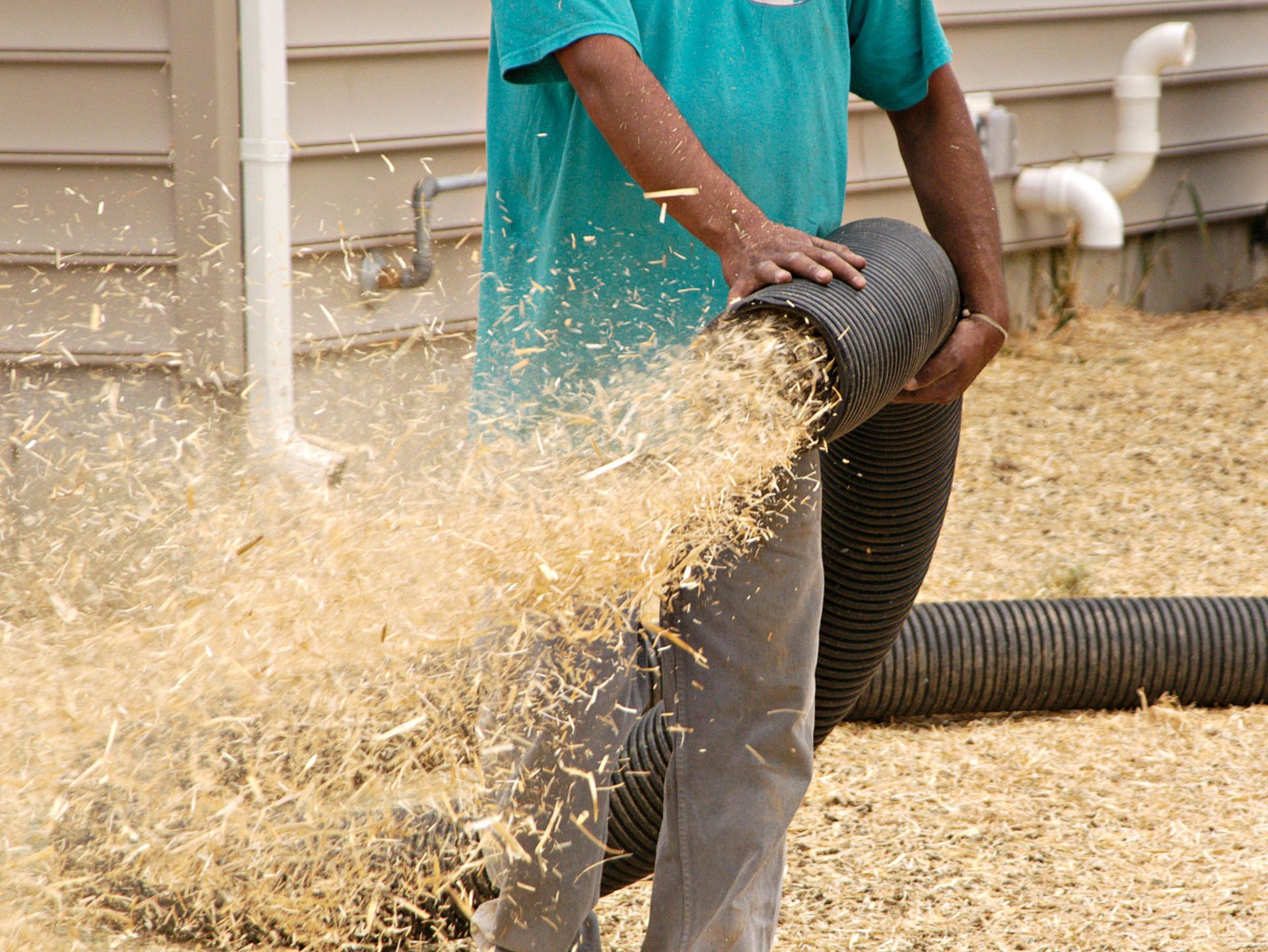
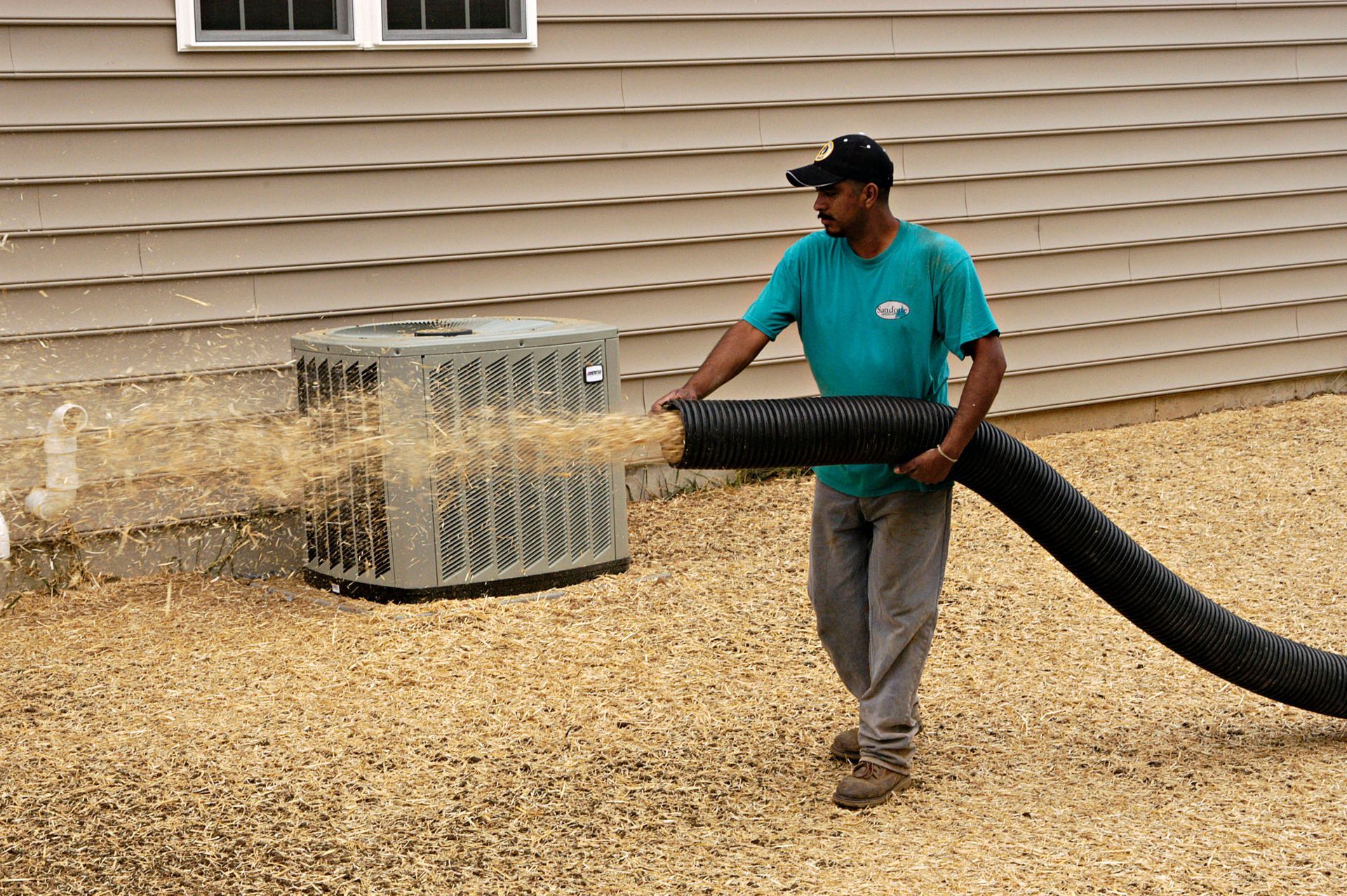
Mulches and fibers are important elements in the arsenal against erosion, particularly for projects emphasizing ecological sustainability. Mulching involves the application of organic or synthetic material over soil surfaces to protect against rainfall impact and reduce water evaporation. Fibrous materials often include composites or natural fibers that hold soil together while promoting the establishment of vegetation. Generally, mulches and fibers are beneficial in both temporary and permanent erosion control scenarios, with effectiveness enhanced through the addition of native plant species. The selection of biodegradable options further enhances ecological benefits by allowing natural decomposition into the soil.
Geotextiles and Mats
Geotextiles and mats are integral to modern erosion control, providing structural support and soil separation capabilities essential for controlling erosion on slopes and roadways. These synthetic products, commonly made from permeable or non-permeable materials, enable water filtration while maintaining soil retention. The use of geotextiles varies based on project requirements, aiding in reinforcement, stabilization, drainage, or containment. Mats may be paired with seeded vegetation or hydromulching to promote plant growth, adding an additional layer of protection against erosion. Both geotextiles and mats are critical resources in both rural and urban erosion control endeavors.
Barrier Systems
Barrier systems, such as silt fences and sediment basins, have become standard practice for managing water flow and sediment deposition within construction and agricultural arenas. These structures temporarily impound water and sediment, regulating their dispersal over time and preventing property damage downstream. Silt fences are widely used due to the ease of installation and cost-effectiveness for short-term projects. Alternatively, sediment basins are implemented in larger or more permanent settings, regulating flow velocities while allowing sedimentation to occur gradually. Barrier systems, although typically temporary, play a pivotal role in comprehensive erosion management strategies.
Plant-Based Solutions
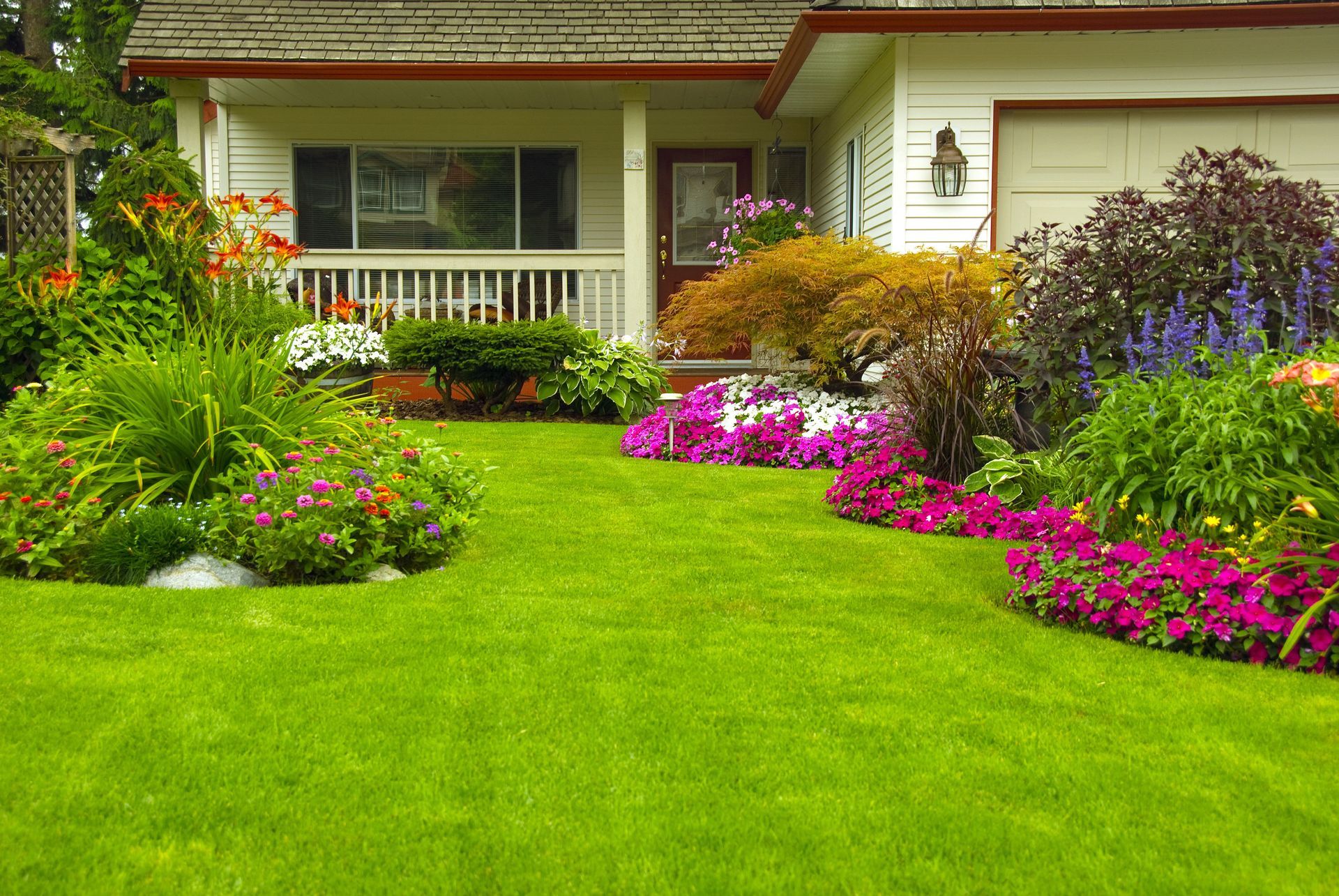
Plant-based solutions underscore erosion control by harnessing the inherent benefits of vegetation for stabilizing and enhancing soil integrity. Root systems from grasses, shrubs, and trees physically bind soil, reducing detachment and movement caused by water and wind forces. Moreover, plants leverage their canopy to shield soil from direct precipitation impact, an essential step in reducing erosion rates. Integrating native species familiar to the local climate promotes successful establishment and long-term resilience against erosive forces. Additionally, vegetative solutions are praised for their ecosystem benefits, providing habitat for wildlife and improving biodiversity.
Assessing Your Specific Project Needs
Site Evaluation
The effective assessment of the project site forms the foundation for effective erosion control strategy development. Analyzing the site's topographical and geological characteristics provides insights into erosion-prone areas warranting immediate attention. Assessments should include soil composition, slope angles, and vegetation cover, identifying natural barriers for deployment. Partnering with professionals in environmental engineering can refine assessment outcomes, ensuring data accuracy and in-depth analysis. This information serves as the cornerstone for product selection, implementation, and monitoring, maximizing resource investment and performance efficacy.
Climate and Weather Patterns
Understanding climate and weather patterns is vital for determining suitable erosion control products to employ for project success. Regions prone to heavy precipitation require strategies that prioritize water dispersion and soil cover, thereby minimizing direct rainfall-induced erosion. Conversely, arid or semi-arid zones face wind-induced erosion, making windbreaks and vegetation stabilization more critical. Climate data informs decisions around the timing of installation and the scheduling of maintenance routines, addressing climate-induced fluctuations throughout the project duration. Higher accuracy in anticipating climate impacts affords improved adaptation and sustainable erosion mitigation outcomes.
Soil Composition and Stability
Soil composition significantly influences erosion risks by determining the level of susceptibility to long-term displacement challenges. Homogeneous clay soils may demand specialized products capable of coping with impermeability and shrink-swell dynamics. Loamy or sandy soils struggle with detachment due to lower cohesion, necessitating vegetation or fibrous stabilizers. Evaluating soil stability supports the identification of tailored erosion control products aligned to both immediate counteraction and future sustainability. Engaging soil scientists in evaluation ensures precise data collection, while enabling aligned integration of complementary solutions.
Project Scale and Duration
The scale and duration of a project fundamentally impact the appropriate selection of erosion control products. Small-scale projects may require temporary solutions with straightforward installations to manage costs and resources efficiently. Conversely, expansive projects benefit from integrated, long-term erosion control methods that address both immediate and persistent soil stability issues. Considerations extend beyond the operational timeline to cost escalation, innovative product use, and broader project infrastructure development. Anticipating future challenges minimizes delays during implementation, securing continuous protective measures throughout project completion.
Budget Constraints
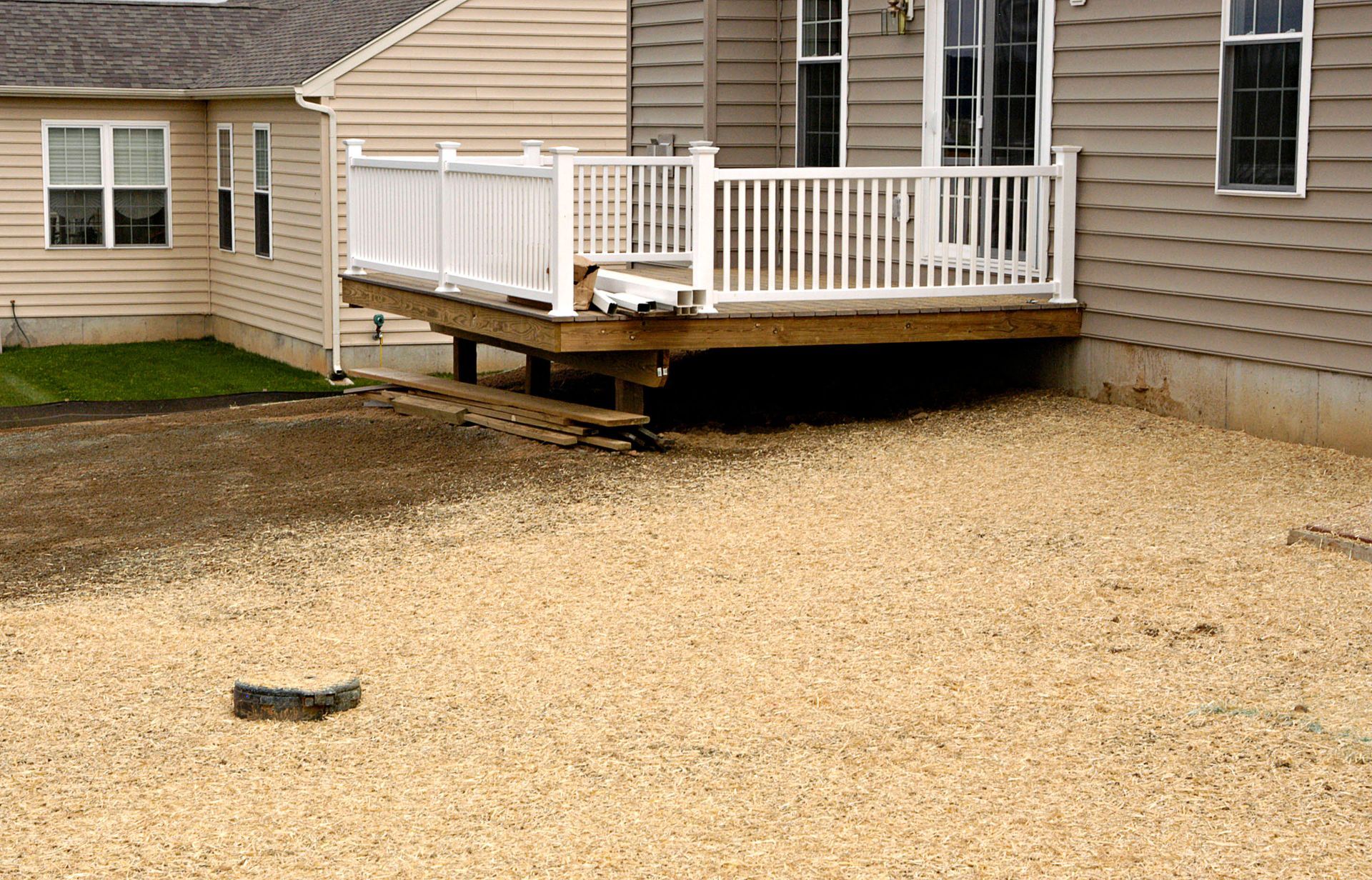
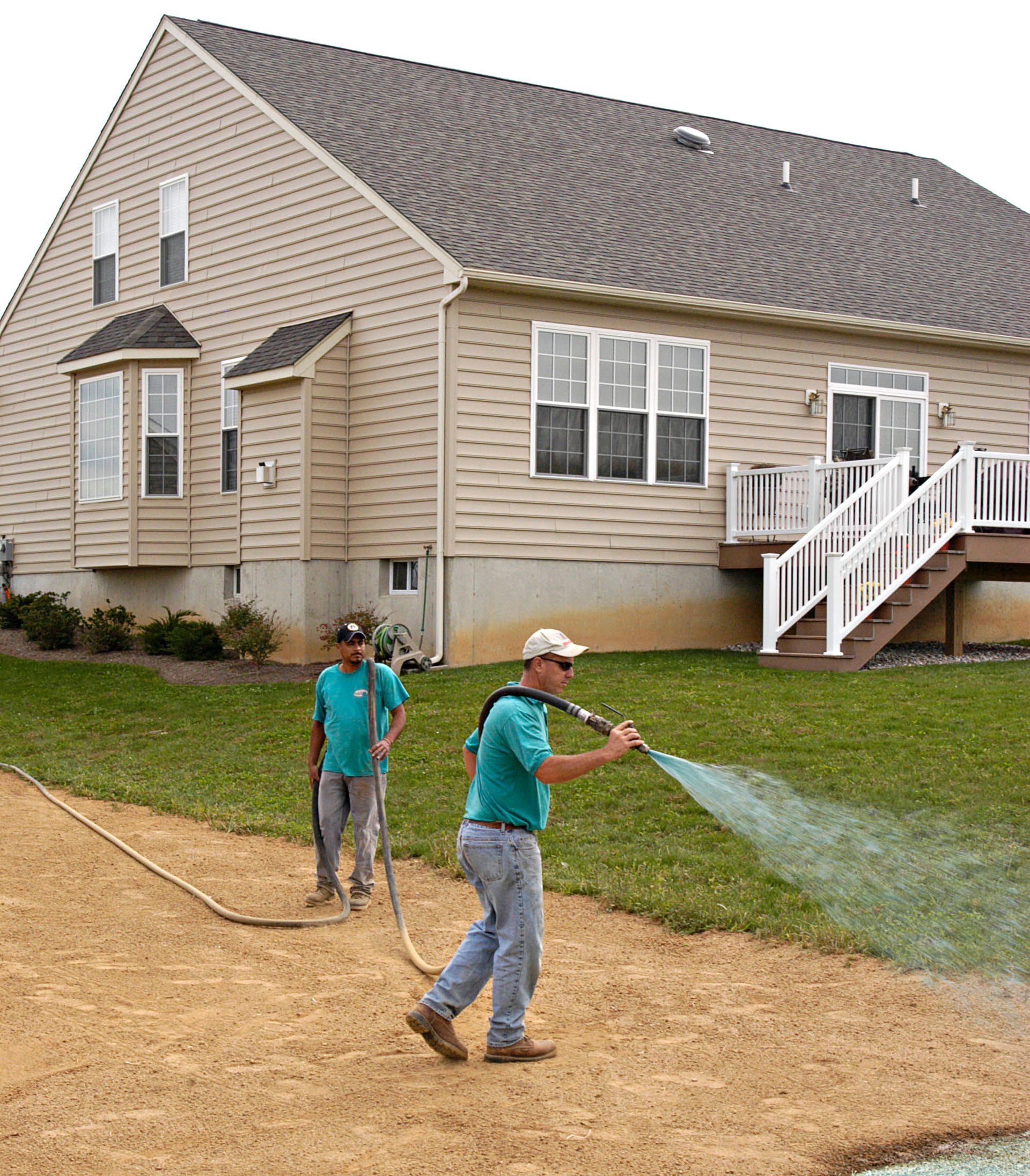
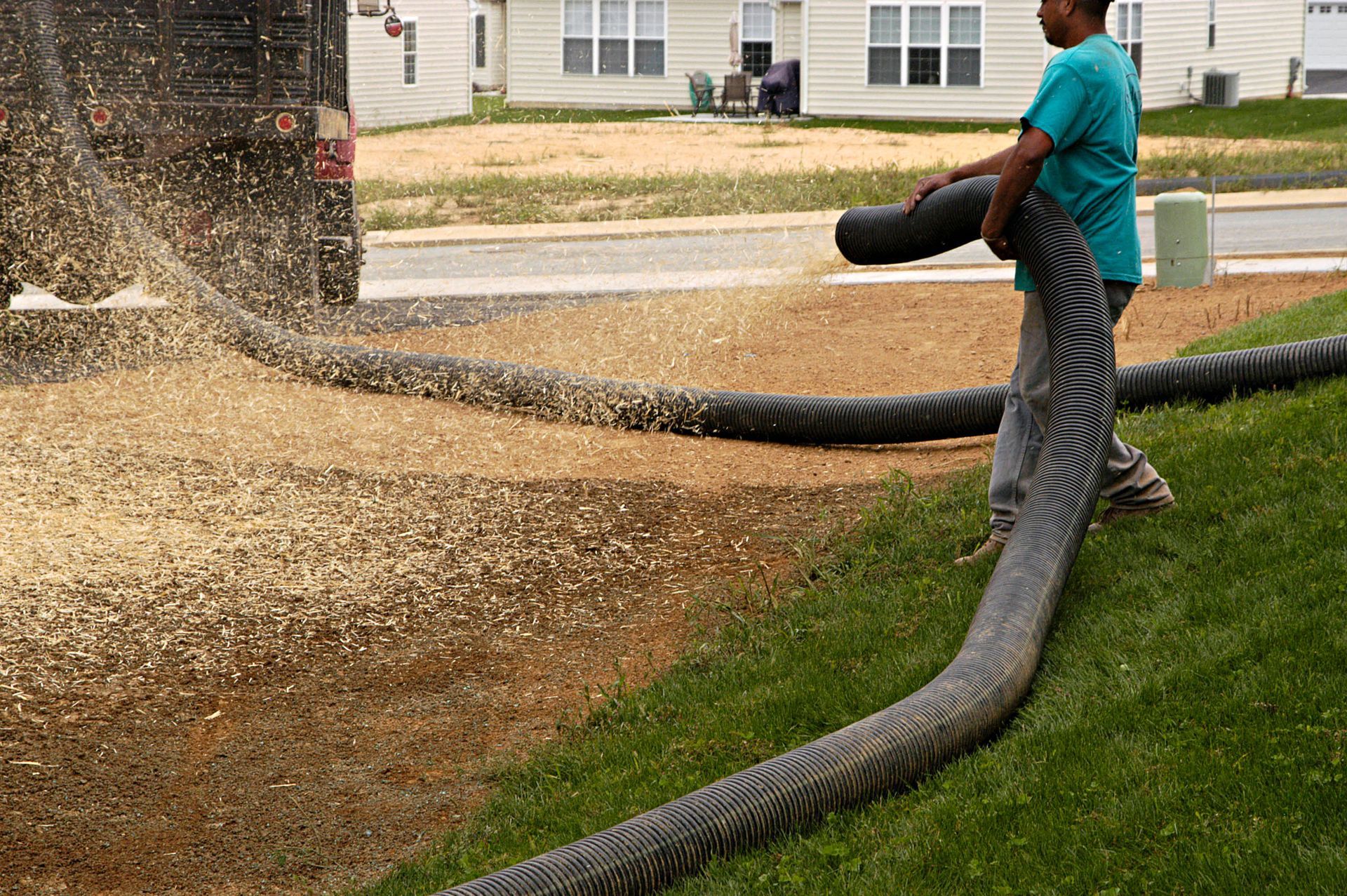
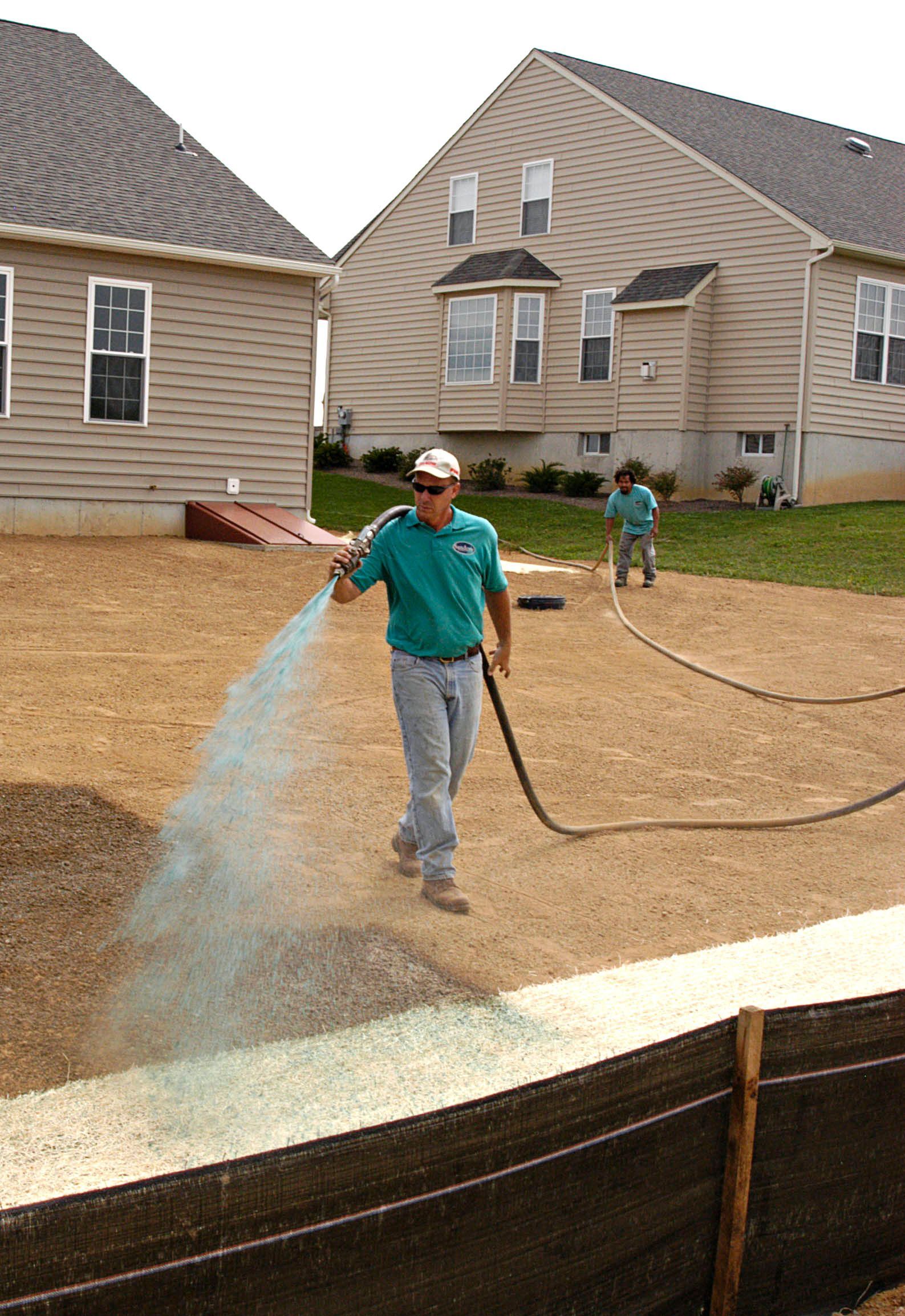
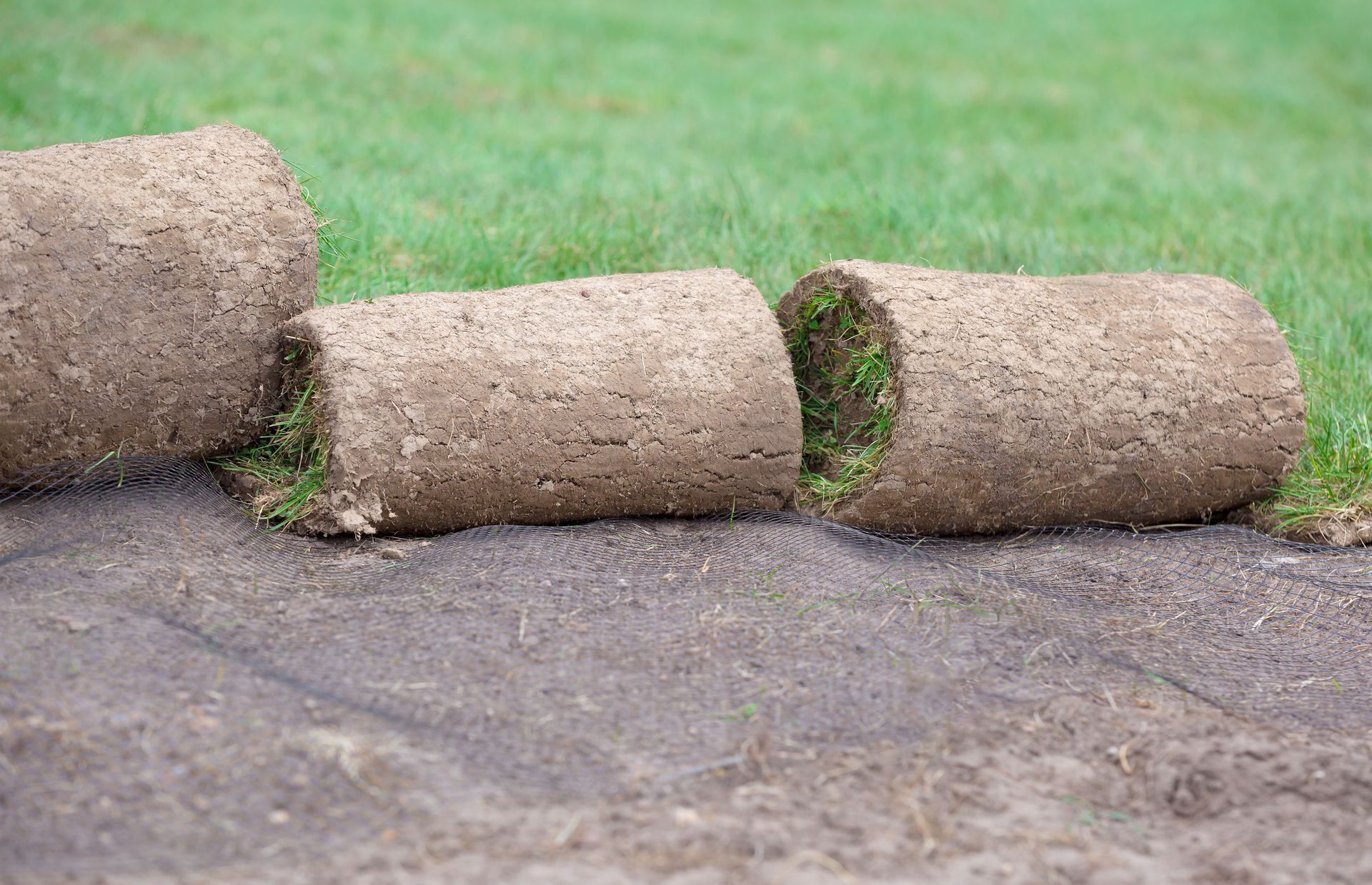
Budget constraints have a direct influence on the adoption of erosion control strategies in project execution and financial planning. Projects with limited funding prioritize the selection of cost-effective solutions offering value, performance, and sustainability. For instance, according to This Old House, sod pallets cost 70% more than hydroseeding. Hydroseeding offers economic efficiency in soil stabilization, especially when contrasted against traditional sod pallets. However, budget planning must prioritize long-term savings, factoring in maintenance expenses, product replacements, and inevitable climate-driven adjustments. Discerning analysis of budget constraints optimizes the implementation strategy, realizing maximum returns on erosion control investments.
Selecting the right erosion control products is essential for protecting soil integrity, preventing property damage, and supporting long-term environmental sustainability. Whether your project involves construction, landscaping, or agricultural development, understanding the interplay of site characteristics, climate patterns, soil composition, project scale, and budget is critical. Temporary solutions such as silt fences and straw wattles provide immediate protection during construction, while permanent measures like riprap, geotextiles, and vegetative stabilization ensure long-term resilience. Mulches, fibers, mats, and plant-based solutions further reinforce soil stability and encourage ecosystem health, creating a sustainable approach to erosion management.
Effective erosion control requires not only selecting the right products but also applying them strategically. Assessing topography, drainage patterns, and vegetation cover allows for precise placement, while considering climate and soil type ensures the solutions remain effective over time. Incorporating both short-term and long-term measures helps mitigate immediate erosion risks while securing the site against future challenges. Additionally, understanding the scale and duration of a project supports cost-effective planning and resource allocation, maximizing the benefits of every erosion control investment.
Partnering with knowledgeable professionals ensures that these solutions are installed correctly and maintained efficiently. By integrating professional guidance with high-quality products, property owners can achieve optimal results, safeguarding both infrastructure and the surrounding environment. For reliable guidance and installation of durable erosion control solutions, contact Advanced Erosion Solutions LLC today. Our team specializes in selecting and implementing the most effective erosion control products for all projects!
Share On: